 how-to
Do Hair Extensions Damage Natural Hair?
Last Updated: November 2, 2026
Quick Summary
Hair extensions do not damage natural hair by themselves. Damage usually comes from how extensions are applied, removed, handled, and maintained, especially when they are heavy, tight, or left in too long.
- Breakage, thinning, scalp tenderness, and heavier-than-usual shedding are the main signs of stress.
- Clip-in extensions are the easiest to remove safely because you control removal yourself.
- Tape-in, sew-in, and bonded extensions should only be removed by a trained professional.
- Follow a removal schedule; extensions left in past their recommended wear time cause the most damage.
- People with thinning hair should choose a lighter method and consult a dermatologist first.
Table of Contents
- What Actually Happens to Your Natural Hair With Extensions
- Myths and Facts About Extension Damage
- Least Damaging Hair Extensions by Method
- How to Prevent Hair Extension Damage During Application and Wear
- Signs of Hair Damage From Extensions and What to Do
- Hair Extensions for Thinning Hair: Is It a Safe Choice?
- Booking Your Next Step With Luscious Lips & Locks 4U
- Frequently Asked Questions
Hair extensions can be a great way to add length or volume, but many women wonder whether they do damage to natural hair. The honest answer is that extensions by themselves do not destroy hair. Damage usually comes from how extensions are applied, removed, handled, and maintained. This guide explains what really happens, what the myths get wrong, and how to protect your natural hair while you wear them.
What Actually Happens to Your Natural Hair With Extensions
Extensions attach to your natural hair, so they add weight and pull. Most of the risk comes from that tension. When extensions are heavy, tight, or left in too long, they can stress the hair and the follicles underneath. For practical prevention and fix guidance on tangled extensions, see Why Hair Extensions Get Matted: Prevention & Fixes.
Damage is possible, but it is not automatic.
Common signs of stress include:
- Breakage at the attachment points
- Thinning along the hairline or part
- Tenderness or soreness on the scalp
- Shedding that seems heavier than usual
Myths and Facts About Extension Damage
Myth: Extensions always ruin natural hair. Fact: Extensions do not necessarily damage hair. Risk depends on application, removal, handling, and maintenance.
Myth: Any extension method is equally risky. Fact: Weight and attachment style change the level of stress. Lighter methods with less tension usually carry less risk.
Myth: If your hair is fine, you can't wear extensions. Fact: Fine or fragile hair needs more care, not automatic exclusion. A stylist can help you choose a lighter method.
Myth: Damage shows up right away. Fact: Problems often build slowly. Keeping extensions in for too long or repeating the same tight placement can cause damage over time (the American Academy of Dermatology).
Least Damaging Hair Extensions by Method
Not all methods put the same stress on your hair. The table below compares the major extension types by where they attach, how much tension they create, how long they are typically worn, and what removal involves. Use it as a starting point for a conversation with your stylist, not as a substitute for one.
| Method | How It Attaches | Typical Wear Schedule | Main Stress Point | Removal Risk | Best Suited For |
|---|---|---|---|---|---|
| Clip-in | Clips grip small sections near the root | Daily; remove before sleep | Weight and repeated clip placement | Low, you control removal | Fine or fragile hair; occasional wear |
| Tape-in | Adhesive strips bond to thin sections | About 6-8 weeks per application, then reposition | Adhesive and scalp contact | Moderate, adhesive must be dissolved, not pulled | Medium to thick hair; consistent professional care |
| Sew-in / weave | Natural hair is braided into a base, then weft is sewn on | About 6-8 weeks before a take-down and break | Tension on the braided base | Moderate to high, braid tension and take-down technique matter | Textured hair; readers comfortable with braided bases |
| Genius weft | Fine weft sewn or bonded to small sections | Roughly 6-10 weeks depending on method | Lighter attachment points | Moderate, depends on the attachment used | Readers wanting lower tension with a sewn option |
| Fusion / bond | Keratin bonds melted onto small sections | About 3-5 months with maintenance | Bond weight and heat during application | High, removal requires professional solvent and patience | Stable hair; readers committed to professional upkeep |
A few patterns stand out across the table:
- The longer the wear cycle, the more the removal step matters. Clip-ins are the easiest to remove safely because you do it yourself every night. Bonded and sewn methods stay in for weeks or months, so a rushed or untrained removal is where most breakage happens.
- Adhesive methods concentrate risk at the bond. Tape-ins and fusion bonds can pull hair if the adhesive is forced. The fix is not a stronger adhesive, it is a slower, solvent-based removal by someone trained to do it.
- Tension is not the same as tightness. A well-placed sew-in can feel secure without pulling at the hairline. If any method feels tight enough to cause soreness, that is a signal to adjust, not to push through.
Clip-In Extensions and Hair Growth
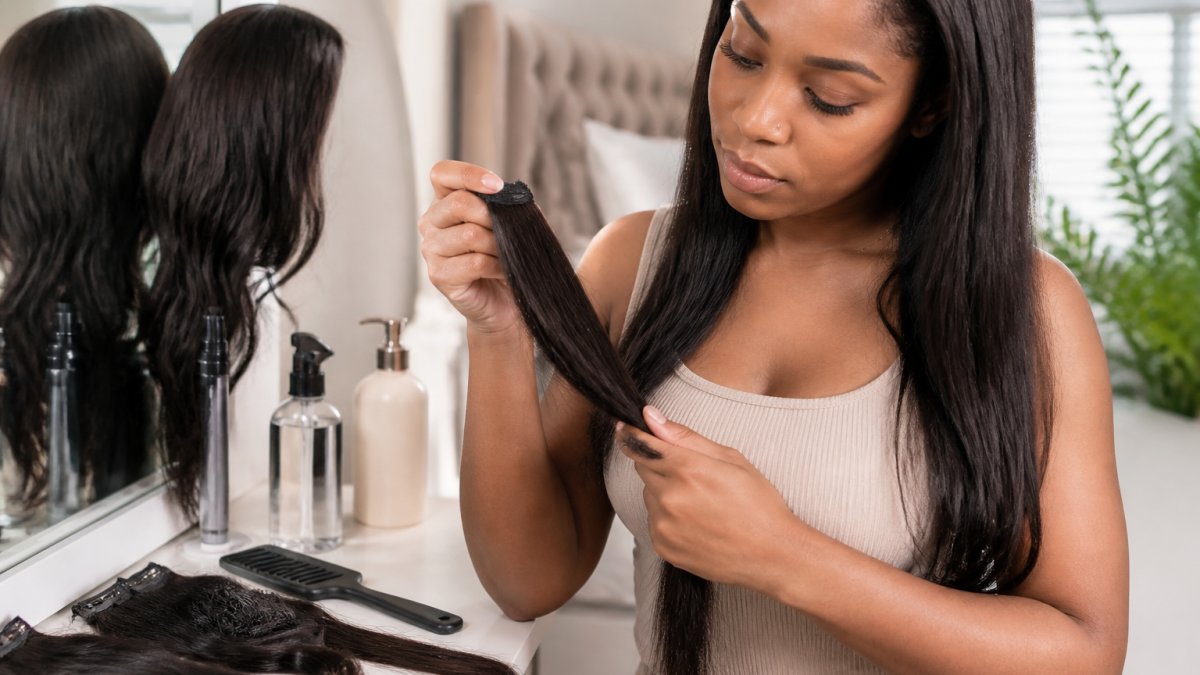
Clip-in extensions are removable, which makes them one of the gentler options for many people. If you want a lower-tension alternative to tape-ins, explore the Genius weft options. You can take them out at night and give your natural hair a break. Problems usually come from clips placed too close to the same spot every day or from heavy sets worn for long hours.
Tip: Rotate clip placement slightly each day, and keep the weight balanced so one area does not carry all the pull.
Tape-In Extensions and Adhesive Concerns
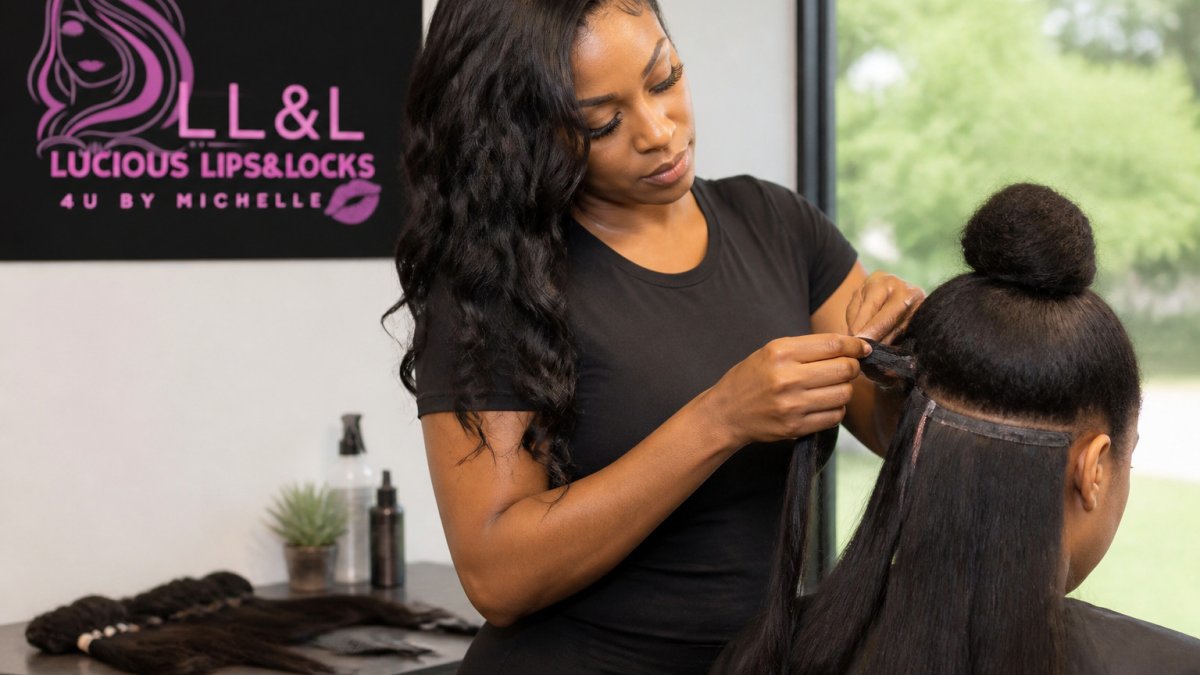
Tape-in extensions use adhesive strips that bond to small sections of natural hair. The main concerns are adhesive residue, pulling during removal, and wearing them too long before a removal appointment. Only a trained professional should remove them, and the adhesive should never be forced out.
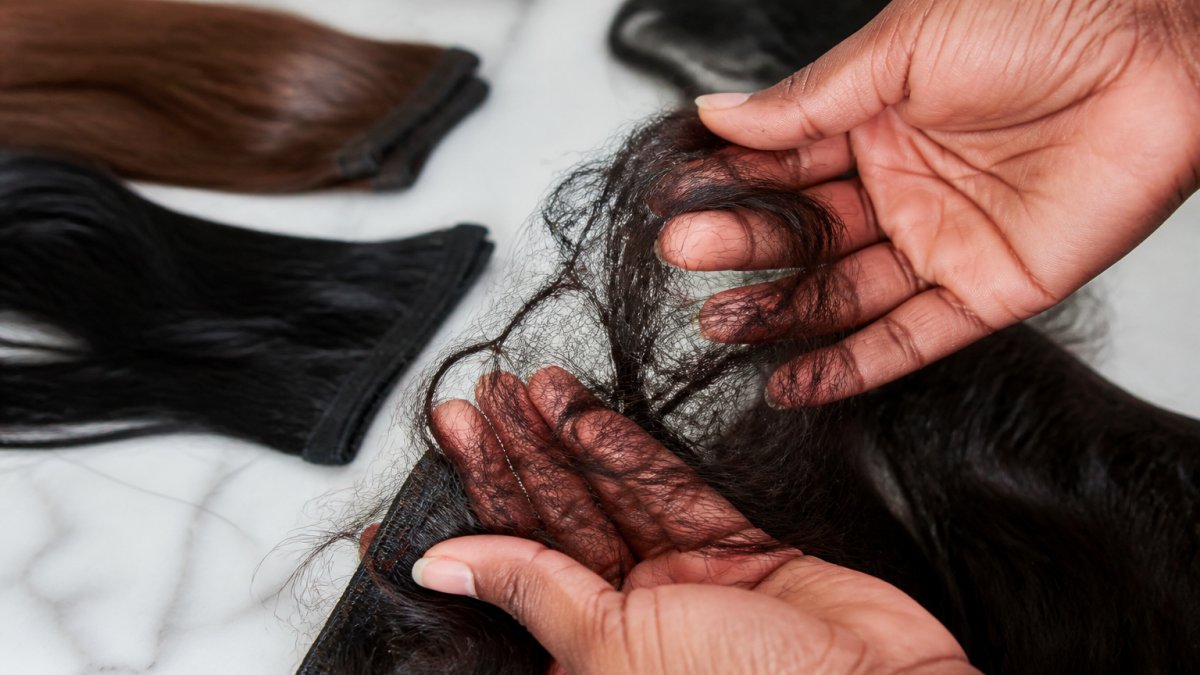
Quality hair matters because rough or tangled hair is more likely to snag and break when you brush or remove it.
How to Prevent Hair Extension Damage During Application and Wear
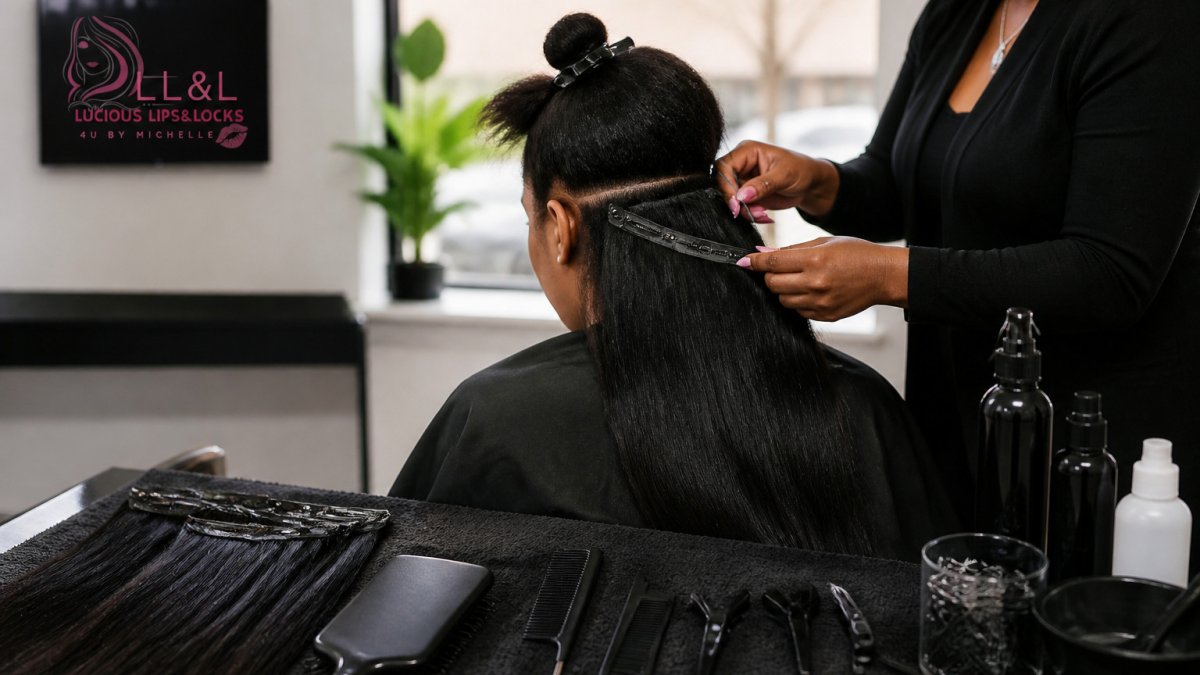
Prevention matters most, and it works best when it is specific to the method you wear. The steps below are organized by phase, before application, during wear, and at removal, so you can act on them at the right time.
Before application
- Get a scalp and hair assessment. A stylist should check for thinning, breakage, or scalp irritation before attaching anything. If you already have active hair loss, see a dermatologist first.
- Match the weight to your hair. Lighter sets put less strain on fine or fragile hair. Ask how much the full set weighs and whether a lighter density is available.
- Choose a method you can maintain. If you cannot commit to professional maintenance appointments, a method with a shorter wear cycle or one you remove yourself may be safer.
During wear: method-specific schedules
| Method | Check-in cadence | Reposition or tighten | Full break recommended |
|---|---|---|---|
| Clip-in | Daily visual check; rotate clip placement | Not applicable | Remove nightly |
| Tape-in | Every 2-3 weeks for slip or lifting | About 6-8 weeks | A few days between applications |
| Sew-in / weave | Every 2 weeks for braid tension and scalp health | About 6-8 weeks | 1-2 weeks before reinstalling |
| Genius weft | Every 2-3 weeks | About 6-10 weeks | A few days between applications |
| Fusion / bond | Every 3-4 weeks | About 3-5 months | A few days between removals |
These intervals are common practitioner guidance, not fixed rules. Your stylist may adjust them based on your hair density, growth rate, and how the extensions feel day to day.
Daily care that reduces risk
- Brush gently. Start at the ends and work upward with a loop or wide-tooth brush. Never pull through a knot at the root.
- Sleep on a satin pillowcase to reduce friction and tangling.
- Keep the scalp clean and moisturized without letting product build up near the bonds or clips.
- Do not sleep in extensions that are tight, wet, or tangled. Moisture trapped at the roots can cause problems.
Safe removal
Removal is where many preventable damage cases happen. Follow these steps:
- Book removal with a trained professional for tape-ins, sew-ins, wefts, and bonds. Do not attempt solvent-based or bonded removal at home.
- Never pull or rip adhesive or bonds. Adhesive should be dissolved or loosened, then eased out.
- Take down braids gently. Cut the thread, not the hair, and unwind rather than pulling the braid apart.
- Give your hair a break between installations. A few days to two weeks, depending on the method, lets the scalp recover and gives you a chance to check for thinning or breakage.
Signs of Hair Damage From Extensions and What to Do
Catch problems early. Watch for these warning signs:
- Hair breaking at the attachment line
- Bald spots or a widening part
- Scalp pain, redness, or bumps
- Extensions that slip or feel loose, causing constant pulling
If you notice any of these, take your extensions out and see a stylist or dermatologist. Many people see hair recover once tension is removed, but recovery takes time.
For ongoing care after removal, our guide on how to maintain silky hair extensions has seven practical steps.
Hair Extensions for Thinning Hair: Is It a Safe Choice?
People with thinning hair can wear extensions, but they need extra caution. Heavy or tight installations can make thinning worse. A lighter method, a shorter wear period, and a stylist who knows how to work with fragile hair are the safest combination.
Talk to a dermatologist before you add extensions if you already have hair loss. They can help you tell whether the thinning is caused by tension, a medical condition, or something else.
Booking Your Next Step With Luscious Lips & Locks 4U
Choosing quality hair and the right method is the best way to protect your natural hair. Luscious Lips & Locks 4U offers luxury-quality extensions that are silky soft and tangle-free. Pricing depends on the type, length, and quantity you choose, so check our website for current prices or request a quote before you decide.
Ready to find the right set for your hair? Visit Luscious Lips & Locks 4U to browse our collection and get personalized guidance on the method that suits your natural hair best.
Frequently Asked Questions
Will hair extensions ruin your hair?
Hair extensions do not inherently ruin natural hair, but damage can occur when they are applied too tightly, heavy sets are worn for long periods, or they are removed roughly. Choosing a lighter method, having a trained professional install and remove them, and keeping wear times reasonable greatly lowers the risk.
Which types of hair extensions are least damaging?
Lighter sets, correct weight for your hair density, and gentle handling make any method safer for natural hair.
What are the signs that hair extensions are damaging your natural hair?
Watch for persistent tenderness at the roots, itching or redness on the scalp, increased shedding during brushing, short broken hairs along the hairline, and bald or thinning patches where extensions sit. If you notice these signs, consider removing the extensions with professional help and consulting a dermatologist.
Should you get hair extensions if your hair is thinning?
Thinning hair is more vulnerable to added tension, so extensions are not automatically a good choice. If you already have visible thinning, speak with a dermatologist or trichologist before installing extensions to rule out underlying causes.