 how-to
5 Reasons Skincare-Infused Makeup May Not Replace Your Routine
Last Updated: October 25, 2026
Quick Summary
Skincare-infused makeup can provide incremental benefits like hydration and reduced irritation during wear, but it cannot replace your dedicated skincare routine. These hybrid products prioritize makeup performance first, with skincare benefits secondary, so active ingredients are often present in concentrations too low to match dedicated serums or treatments.
- Skincare-infused makeup delivers modest benefits like improved hydration and smoother skin feel, but won't treat acne, reduce wrinkles, or fade dark spots.
- Ingredient concentration matters more than presence; niacinamide needs 2-5% to work, but makeup formulas often contain trace amounts for marketing purposes.
- SPF claims on makeup are unreliable because most people apply makeup thinner than the 1/4 teaspoon required for labeled protection; use dedicated sunscreen first.
- Layer skincare before makeup in this order: toner, serums, moisturizer, sunscreen, primer, then makeup, waiting 30-90 seconds between each step.
- Patch-test hybrid products on your inner arm for three days, then one cheek for three more days, before applying to your full face.
Table of Contents
- What Skincare-Infused Makeup Actually Is
- The Reality: What Skincare-Infused Makeup Benefits Can Deliver
- Why Ingredient Concentration Matters More Than Ingredient Presence
- Makeup With SPF: Sun Protection Claims You Should Question
- How to Layer Skincare Before Makeup for Real Results
- Common Risks: Breakouts, Clogged Pores, and Skin Irritation
- Choosing the Right Hybrid Makeup for Your Skin Type
- Frequently Asked Questions
What Skincare-Infused Makeup Actually Is
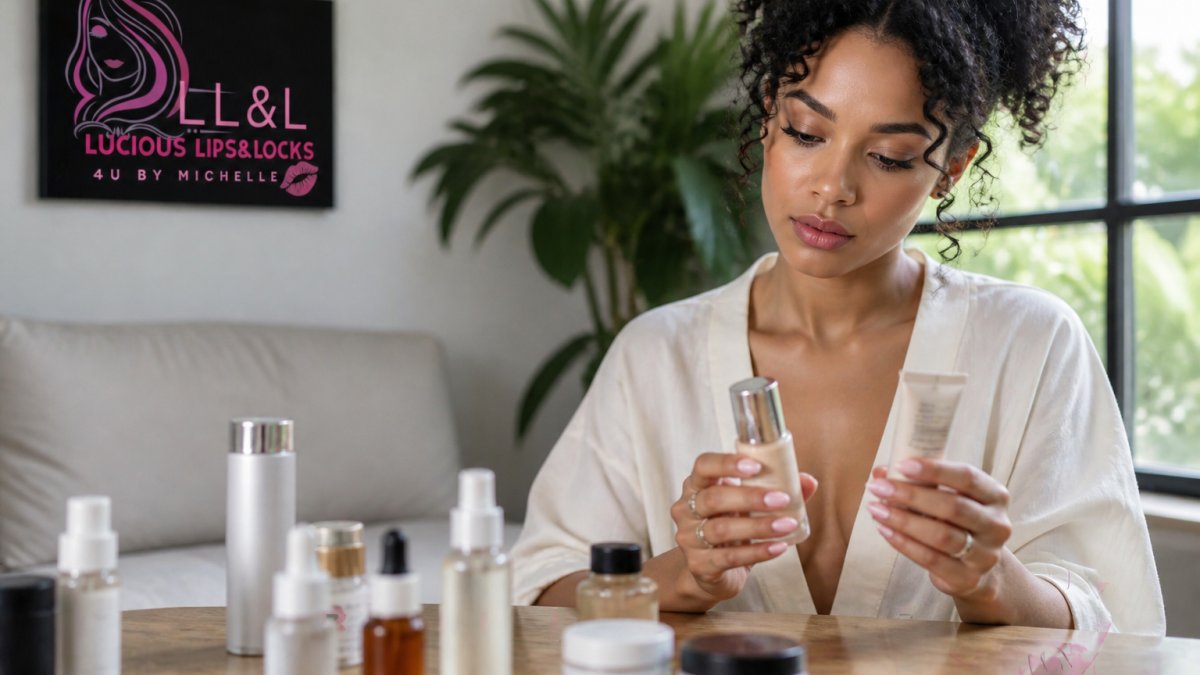
Skincare-infused makeup is cosmetic coverage formulated with active skincare ingredients like antioxidants, hydrators, and peptides designed to benefit skin while providing color and finish.
Convenience is real, but efficacy claims often aren't backed by formulation science.
Skincare-infused makeup blurs the line between cosmetic effect and skin benefit.
Most hybrid beauty products prioritize coverage and wear first, skincare benefits second: a makeup product must perform as makeup before it can perform as skincare.
The Reality: What Skincare-Infused Makeup Benefits Can Deliver
Skincare-infused makeup can provide real benefits, but they're incremental, not transformative: improved hydration, a smoother complexion feel, or less irritation during wear. You won't replace your entire skincare routine.
Research published in the National Library of Medicine identified about 88 chemicals in more than 73,000 cosmetic products associated with effects like headaches, dizziness, and skin irritation.
Realistic benefits from skincare-infused makeup include:
- Hydration during wear: Products with glycerin or hyaluronic acid can help your complexion feel less dry while you're wearing the makeup
- Reduced irritation: Calming ingredients like allantoin or centella asiatica may reduce redness, though effects are modest
- Improved skin feel: Some formulas leave skin feeling smoother or less tight than traditional makeup
What they don't do:
- Treat acne or clear breakouts
- Reduce fine lines or wrinkles significantly
- Fade dark spots or hyperpigmentation
The TODAY and Vogue reporting on skincare-infused makeup emphasizes that makeup with skincare benefits should not replace dedicated skincare. This isn't marketing caution, it's formulation reality.
Why Ingredient Concentration Matters More Than Ingredient Presence
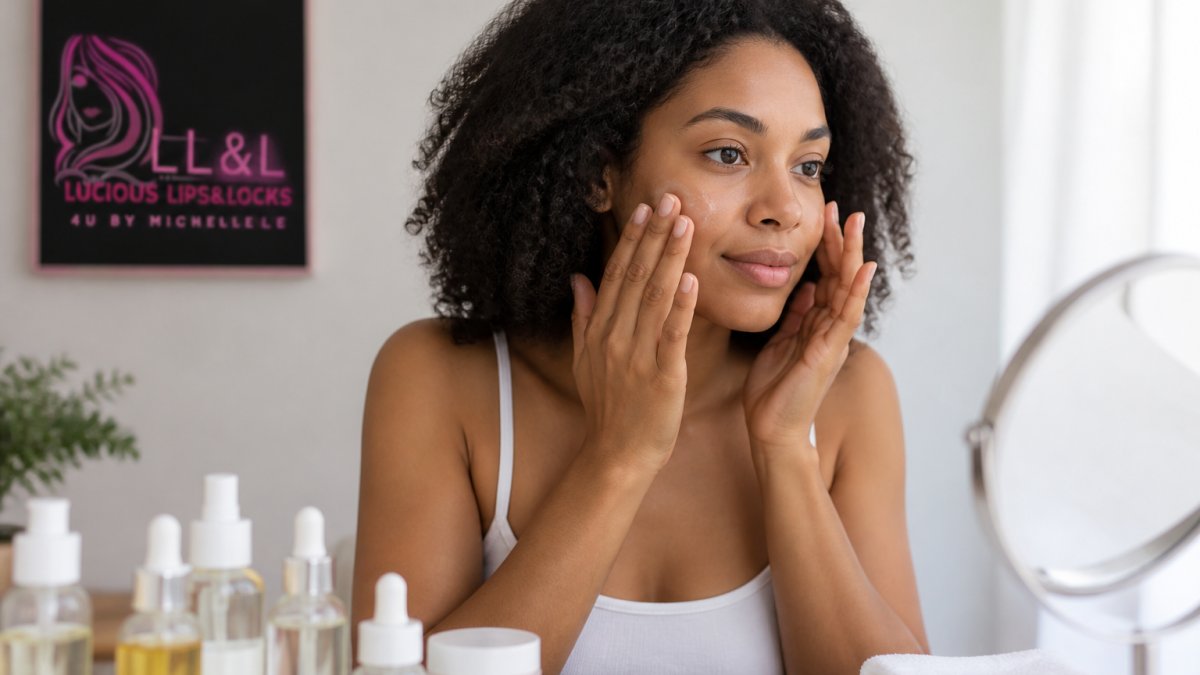
A product listing an ingredient on its label tells you almost nothing about whether it will work. Concentration is everything.
Skincare ingredients have minimum effective concentrations. Niacinamide needs 2-5% to calm skin, hyaluronic acid 0.5-2% for noticeable hydration, retinol 0.25-1% to influence renewal.
Watch out for brands that emphasize ingredient names without listing concentrations. If a product doesn't disclose percentages, assume the actives are present in cosmetically insignificant amounts.
Makeup With SPF: Sun Protection Claims You Should Question
SPF claims on makeup are where skepticism becomes essential. A foundation claiming SPF 30 is not the same as a dedicated SPF 30 sunscreen.
Sunscreen requires specific concentrations of UV filters (typically 7-10% of the formula) and precise application thickness to deliver the labeled SPF.
The FDA regulates sunscreen as a drug. The FDA's sunscreen regulations require that sunscreens provide broad-spectrum protection and maintain their SPF through water exposure and sweat.
If sun protection is your goal, use a dedicated sunscreen first, let it set, then apply makeup.
Realistic approach:
- Apply sunscreen 15 minutes before makeup
- Let it fully absorb and set
- Apply makeup as normal
How to Layer Skincare Before Makeup for Real Results
The order matters, but the mechanics matter more. Most pilling, separation, and patchy coverage blamed on hybrid makeup actually starts in the layers underneath it. Getting the sequence right and letting each layer set determines whether your skincare-infused foundation looks like skin or like a texture experiment.
Start with a clean face. Use a gentle cleanser to remove oil, dirt, and overnight buildup. Pat dry, don't rub, because friction on damp skin increases redness and makes the next layers absorb unevenly.
Layer in this sequence:
- Toner or essence (if you use one): Apply with fingers or a cotton pad. Wait about 30 seconds. If the toner feels tacky after that, it is too heavy to layer under makeup.
- Serums or treatments: Apply vitamin C, niacinamide, or other active serums. These work best on clean, damp skin. Wait 1-2 minutes. Water-based serums set faster than oil-based ones.
- Moisturizer: Use a lightweight moisturizer if your skin is dry, or a hydrating gel if it's oily. This preps skin for makeup and helps it adhere evenly. Give it a full minute.
- Sunscreen: Apply a dedicated broad-spectrum sunscreen as the last skincare step, not the first makeup step. Wait for it to set before anything goes on top.
- Primer: A silicone or water-based primer creates a smooth base and helps makeup last longer. Wait 1-2 minutes for it to set.
- Makeup: Foundation, concealer, blush, and other products go on last. If your foundation is skincare-infused, treat it as makeup in this stack, not as a replacement for steps 1-4.
Why pilling happens, and how to stop it
Pilling is the rolled-up residue you see when two layers don't bond. It's almost always a chemistry mismatch, not a bad product. The most common culprits:
- Silicone primer over water-based serum: Silicones form a film that water-based layers can't grip. If your serum is water-based, use a water-based primer, or skip primer and let moisturizer do the smoothing.
- Oil-based moisturizer under water-based foundation: Oil repels water. The foundation slides and separates instead of setting. If you need a rich moisturizer, choose a cream-to-powder or silicone-based foundation that can bond to oil.
- Too much product per layer: Thick layers never fully set, so the next layer lifts them. Two thin layers beat one thick one every time.
A useful rule: match the base of each layer to the next. Water-based serum, moisturizer, primer, and foundation, or oil/silicone throughout. Mixing bases is where most layering failures start.
How hybrid makeup fits the stack
Skincare-infused makeup belongs at the makeup step, not the skincare step. Do not skip moisturizer or sunscreen because your foundation claims hyaluronic acid or SPF; the hybrid product is a bonus layer, not a substitute. Its skincare ingredients need a hydrated, prepped surface underneath, because most hybrid formulas sit on top of skin rather than penetrate it.
Timing and the two-minute rule
Applying makeup over wet or sticky layers causes pilling and uneven coverage. Each layer needs roughly 30-90 seconds to set.
A common mistake is using too many products at once. More layers mean more friction, more potential for pilling, and more ingredients competing for absorption.
For best skincare guidance for your age group, consider products formulated for your specific skin type and concerns.
Common Risks: Breakouts, Clogged Pores, and Skin Irritation
Skincare-infused makeup can trigger breakouts and irritation, and the risk profile differs from plain makeup because hybrid formulas add active ingredients on top of the pigments, binders, and preservatives your skin already tolerates. The same ingredients that help some skin types can aggravate others, so test and monitor hybrids deliberately rather than avoiding them entirely.
Breakout risks come from several sources:
- Occlusion: Makeup sits on skin for hours. If your formula is too heavy or your skin is sensitive, it traps bacteria and sebum, leading to comedones and breakouts. Heavy, long-wear hybrid foundations are the highest-risk category for acne-prone skin.
- Ingredient sensitivity: Niacinamide calms some skin but irritates others at higher concentrations. Fragrance, essential oils, and botanical extracts trigger reactions in sensitive skin. The active that makes a product marketable is often not the ingredient causing the reaction.
- Insufficient cleansing: Hybrid products with skincare ingredients need thorough removal. Leaving residue overnight can clog pores and undermine any benefit the product was supposed to deliver.
A patch-test protocol that actually tells you something
Most people patch-test on the inner arm and call it done. That's a start, but facial skin is thinner and more reactive. A more useful sequence:
- Apply a small amount behind the ear or along the jawline for three consecutive days. Stop if you see redness, itching, or bumps.
- If that is clear, apply a thin layer to one cheek for three more days, using the product the way you normally would, including over your usual skincare.
- Only then introduce it to your full face.
This staged approach catches most contact reactions without committing your whole face to a product that may not suit you. If you have a known fragrance or botanical sensitivity, read the ingredient list before you buy, not after.
Identifying the irritant when something goes wrong
If you develop redness, itching, or burning, stop the new product and return to your baseline routine for a week. Once skin is calm, reintroduce products one at a time, spaced a few days apart; the one that triggers a reaction is the likely culprit. If the reaction is severe, spreading, or accompanied by swelling, see a clinician.
Skin-type-specific risk rules
- Acne-prone skin: Choose non-comedogenic, oil-free formulas, and avoid heavy long-wear hybrids. Consider whether you need skincare benefits from makeup at all, because dedicated acne treatments are more effective and better studied. If you are actively breaking out, simplify to a lightweight, non-comedogenic base and let your treatment do the work.
- Sensitive skin: Avoid fragrance, essential oils, and complex botanical blends. Stick with short ingredient lists and proven gentle ingredients. Patch-test every new product using the staged protocol above, even if the brand markets it as gentle.
- Dry skin: The main risk is not breakouts but flaking and patchiness when a matte hybrid formula sits on dehydrated skin. Hydrate underneath and favor dewy or satin finishes.
Clogged pores happen when product builds up over time. Remove makeup thoroughly every night; double-cleanse if you wear heavy coverage, using an oil-based cleanser first, then a water-based one. If you notice small bumps along the jaw or forehead after a few weeks of a new hybrid product, stop and reassess rather than push through.
Choosing the Right Hybrid Makeup for Your Skin Type
Not all skincare-infused makeup works for all skin.
Dry skin: Look for formulas with hydrating ingredients like hyaluronic acid, glycerin, or squalane.
Oily skin: Choose lightweight, water-based formulas.
Combination skin: Use different products for different areas.
Sensitive skin: Avoid fragrance, essential oils, and complex botanical blends.
Acne-prone skin: Choose non-comedogenic, oil-free formulas. Avoid heavy coverage products that trap bacteria.
Browse premium makeup and skincare options to find products formulated for your specific skin type.
| Skin Type | Best Formula Type | Key Ingredients to Look For | Finish to Prefer |
|---|---|---|---|
| Dry skin | Hydrating formulas | Hyaluronic acid, glycerin, squalane | Dewy or satin |
| Oily skin | Lightweight, water-based | Niacinamide, salicylic acid | Matte or natural |
| Combination skin | Balanced or layered approach | Varies by zone | Varies by zone |
| Sensitive skin | Simple formulas | Proven gentle ingredients | Any, if fragrance-free |
| Acne-prone skin | Non-comedogenic, oil-free | Lightweight coverage | Lightweight coverage |
Frequently Asked Questions
Does skincare-infused makeup actually work, or is it just marketing?
Skincare-infused makeup can improve how your skin feels and looks in the moment, but it cannot replace a dedicated skincare routine. A study published in the National Library of Medicine identified about 88 chemicals in more than 73,000 cosmetic products that may cause headaches, dizziness, and skin irritation. The real issue: an active ingredient's presence alone does not guarantee efficacy. What matters is the concentration of that ingredient and how stable it remains in a makeup formula. Most makeup is designed to sit on skin for hours, which can limit how deeply skincare actives penetrate.
What is hybrid makeup meaning, and how does it differ from regular makeup?
Hybrid makeup refers to products formulated with active skincare ingredients like antioxidants, hydrators, or peptides alongside traditional coverage and pigment. Regular makeup focuses on color, finish, and wear time. Hybrid products aim to do both. However, the boundary between skincare and makeup is increasingly blurred by marketing claims. The key difference is intent: hybrid makeup is still primarily a cosmetic product that happens to contain skincare ingredients, not a skincare treatment that looks like makeup. Use it for coverage and color; use dedicated skincare for transformation.
Should you apply skincare before makeup, and does it affect how hybrid products work?
Yes, apply skincare before makeup, this is non-negotiable. Prep your skin with a lightweight moisturizer and sunscreen, then wait 2-3 minutes for absorption before applying primer and makeup. When you layer skincare before makeup, you're protecting your skin barrier and giving actives time to work. Hybrid makeup applied over a solid skincare base works better than hybrid makeup alone. This approach also reduces the risk of breakouts and irritation because your skin is already nourished and protected. Think of hybrid makeup as a bonus, not a substitute.
Is makeup with SPF enough sun protection, or do I need separate sunscreen?
Makeup with SPF is not enough on its own. To achieve the SPF rating listed on the product, you would need to apply a much thicker layer than most people use for makeup application. Dermatologists recommend applying sunscreen as a separate step before makeup, using about 1/4 teaspoon for your face. Makeup with SPF can add a layer of protection, but it should not replace a dedicated broad-spectrum sunscreen with at least SPF 30. Treat it as a bonus, not your primary defense against UV damage.