 how-to
Why Hair Extensions Get Matted: Prevention & Fixes
Table of Contents
- Why Hair Extensions Get Matted
- How to Prevent Hair Extensions from Tangling
- How to Sleep with Hair Extensions
- How to Wash Hair Extensions Without Tangling
- How to Detangle Matted Hair Extensions
- A Realistic Extension Maintenance Schedule
- Frequently Asked Questions
Last Updated: October 15, 2026
Why Hair Extensions Get Matted
Hair extensions get matted when shed natural hairs tangle around the bonds, moisture evaporates, and friction breaks down the protective cuticle layer.
Root Matting vs. Length Tangling
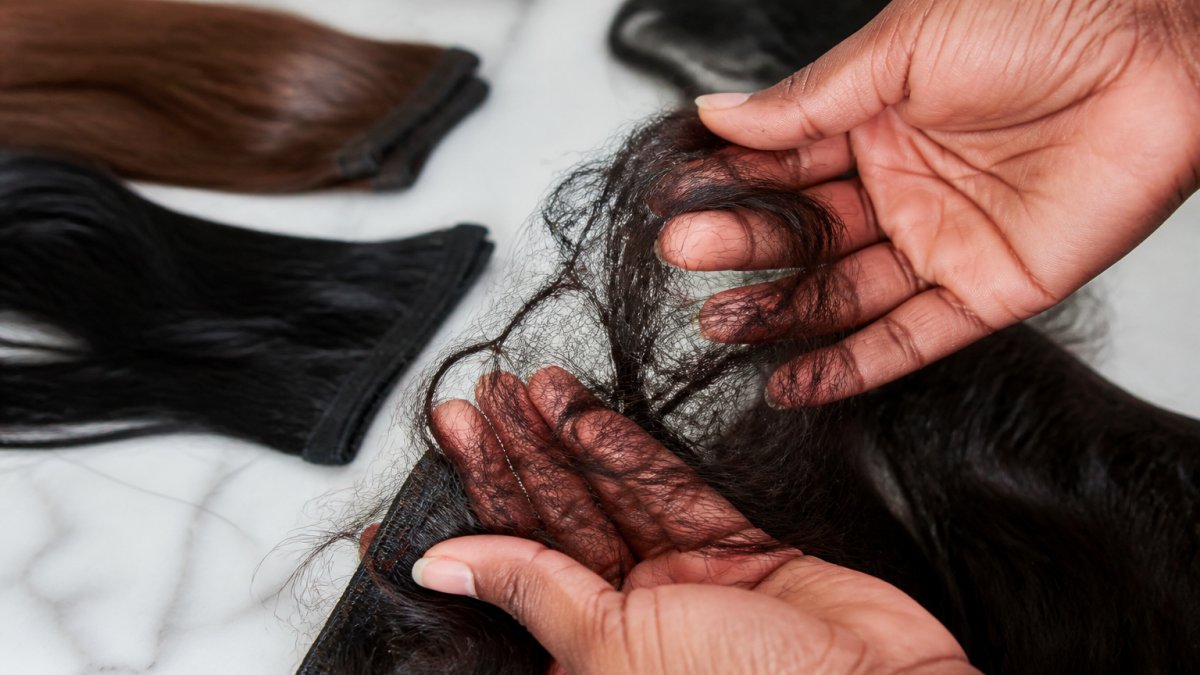
Root matting occurs at the attachment points, where shed hairs wrap around the bonds into tight knots close to the scalp.
Length tangling develops along the shaft when the cuticle becomes rough, damaged, or dry, catching on itself to create mats throughout the length.
Both cause damage: root matting weakens bonds and stresses natural hair, while length tangling leads to breakage when brushed.
How Poor Installation Causes Matting
Extensions installed too close to the scalp or with excessive tension restrict natural shedding, trapping hairs until severe root mats form within weeks. Uneven tension also lets looser sections rub and damage the cuticle. A professional stylist leaves space for shedding, maintains consistent tension, and uses quality attachment methods that won't slip or tighten over time.
Extension Quality and Hair Type Matter
Low-quality extensions have a rough, damaged cuticle from the start, so they catch and tangle easily. Attachment method matters too: improperly sealed tape-ins shed more trapped hair, poorly constructed clip-ins slip and create friction points, and fusion bonds with low-quality adhesive weaken and allow matting movement. Our extensions at Luscious Lips & Locks 4u by Michelle are sourced for smooth cuticles and natural resilience.
How to Prevent Hair Extensions from Tangling
Prevention is far easier than fixing severe mats. A solid routine stops matting before it starts.
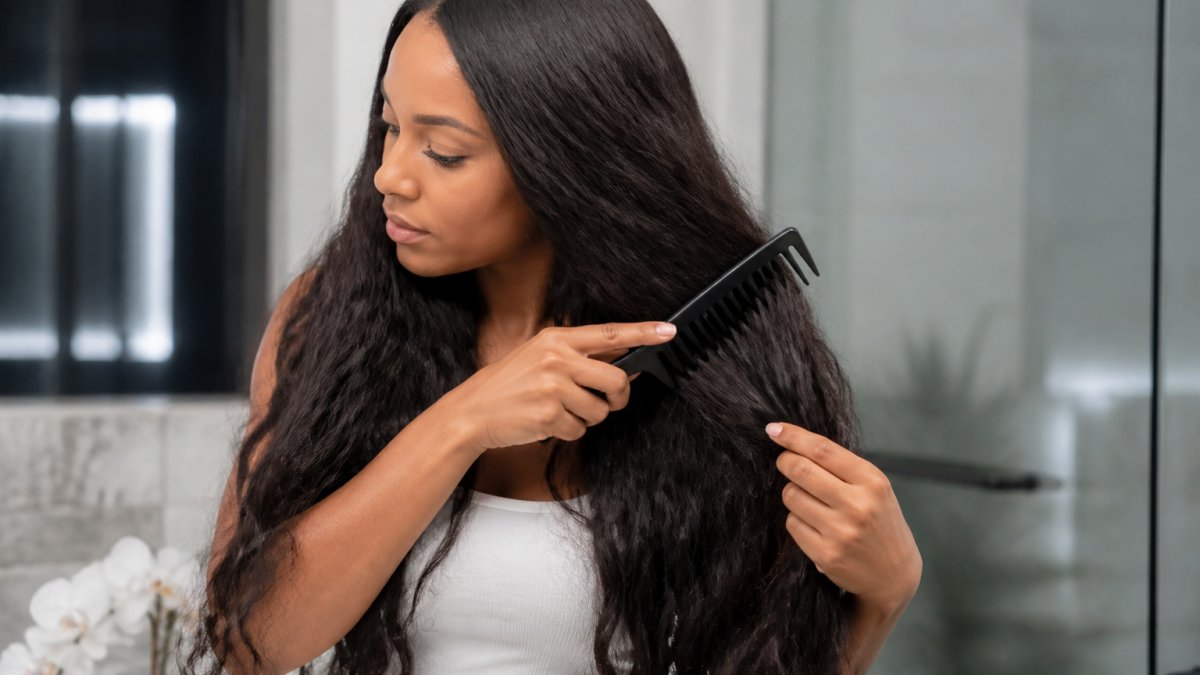
Daily Brushing and Detangling Routine
Brush twice daily, morning and before bed, with a wide-tooth comb or extension brush designed for bonded hair.
The proper technique:
- Start at the ends, not the roots
- Hold the hair above the section you're brushing to reduce tension on the bonds
- Work through small sections, moving upward toward the scalp
- Never yank or pull through knots
At the roots, hold the bonds steady with one hand while combing with the other so they don't move or tighten. Detangle after showering while hair is damp but not soaking, wet hair is fragile, but moisture makes the cuticle pliable. Never brush completely dry extensions; dry hair has no flexibility and brushing causes breakage and frizz.
Moisture, Conditioning, and Buildup Control
Dry extensions mat faster than moisturized ones, dry cuticles stand up and catch on surrounding strands, while moisturized hair has a smooth, closed cuticle that resists tangling. Condition after every wash with a hydrating extension conditioner, and use leave-in sprays between washes. Buildup from products, hard water minerals, and natural oils makes hair sticky and rough, so clarify every 2-3 weeks followed immediately by deep conditioning.
How to Sleep with Hair Extensions
How you sleep directly impacts whether your extensions mat overnight. Your pillow creates friction for 6-8 hours. Friction breaks down the cuticle and causes tangling.
Sleep protection methods:
- Use a silk or satin pillowcase instead of cotton, less friction.
- Braid or loosely bundle extensions before bed to keep them contained.
- Wrap hair in a silk scarf or bonnet to protect against pillow friction.
Never sleep with wet or damp hair, water weakens the shaft, and friction plus moisture causes severe matting and damage to both extensions and natural hair. If hair is damp after showering, dry it completely with a blow dryer on low heat with a diffuser before bed.
How to Wash Hair Extensions Without Tangling
Washing is one of the highest-risk times for matting. Water opens the cuticle. The cuticle stays open until hair dries. Open cuticles tangle easily.
Step-by-Step Washing Process
Step 1: Prepare your hair Brush thoroughly before washing to remove all tangles while hair is dry.
Step 3: Apply shampoo gently Apply shampoo to roots and mid-lengths, avoiding the fragile ends.
Step 5: Apply conditioner to ends only Condition mid-lengths and ends, skipping the roots to avoid buildup.
Step 6: Rinse again in downward strokes Rinse completely, leftover conditioner causes buildup and matting.
Drying Extensions Safely
Drying steps:
- Gently squeeze water from your hair, don't wring or twist.
- Wrap hair in a microfiber towel or t-shirt for 10-15 minutes.
- Use a blow dryer on low or medium heat with a diffuser attachment.
- Dry in downward sections from roots to ends, never upward, which roughens the cuticle.
- Ensure hair is completely dry before brushing.
Air-drying leaves hair wet for hours, causing matting and possible odor or mold on the bonds. High heat damages the cuticle and can melt synthetic extensions; low heat takes longer but protects them.
How to Detangle Matted Hair Extensions
If matting has already started, the right technique depends on where the mat sits and what kind of extension you wear. A method that rescues a clip-in can destroy a fusion bond. Work through the diagnostic below before you touch the mat.
Step 1: Diagnose the Mat by Location and Attachment Type
Root matting (within 1 inch of the scalp)
- Tape-ins: shed hair collects along the adhesive seam. The tape edge lifts slightly, shed hairs wrap the seam, and the mat tightens against the scalp.
- Fusion or keratin bonds: shed hair spirals around each individual bond. Because bonds are small and numerous, root mats here feel like dozens of tiny knots rather than one large mass.
- Wefts (sewn or beaded): shed hair gathers at the row and along the thread or bead line. The mat often runs horizontally along the track.
Mid-length tangling (from the attachment point to about 4 inches above the ends)
- Almost always cuticle friction, dryness, or product buildup rather than trapped shed hair, this is where extension strands rub against each other and your natural hair.
End matting (last 2-3 inches)
- Split ends, old color or lightening damage, and heat-tool damage concentrate here. Detangling alone won't fix it, the damaged ends need trimming.
Step 2: Detangle by Attachment Type
Tape-ins
- Spray a leave-in detangler on the mat and wait 5-10 minutes.
- Hold the tape panel flat against your scalp so the adhesive doesn't flex.
- Work a wide-tooth comb from the bottom edge of the mat upward in 1/4-inch sections.
- Never pull the comb sideways across the tape seam, that lifts the adhesive and ruins the panel.
Fusion and keratin bonds
- Isolate one bond at a time and pinch it between thumb and forefinger so it can't rotate.
- Comb only the hair below the bond, working downward, never through the bond itself.
- If shed hair has wrapped the bond, unwind it strand by strand with a rat-tail comb rather than combing it out.
Wefts (sewn or beaded)
- Support the track with one hand so the row doesn't pull on your scalp.
- Comb below the track in downward strokes.
- If the mat runs along the thread line, use a seam ripper or fine crochet hook to lift shed hairs out of the stitching one at a time.
Clip-ins
- Remove the clips first, detangling while attached pulls on your natural roots.
- Lay the weft flat on a table and comb from the ends upward.
- Clip-ins tolerate more tension than bonded extensions, but the cuticle still breaks if you rip through a mat.
Step 3: Know When to Stop
Stop and book a professional if any of these are true:
- The mat is larger than a golf ball or has been in place more than a week.
- You see broken hairs accumulating on the comb with each pass.
- The bond, tape seam, or bead is moving, slipping, or rotating as you work.
Forcing a mat out is the most common way people turn a fixable tangle into a full reinstall. A stylist can separate bonds, re-tape a lifted panel, or remove a compromised row without sacrificing your natural hair.
What Not to Do
- Don't detangle dry, dry cuticles snap instead of flexing.
- Don't use a fine-tooth comb, boar bristle brush, or round brush on a mat.
- Don't soak the mat in oil overnight, oil loosens tape adhesive and can weaken keratin bonds.
A Realistic Extension Maintenance Schedule
A schedule only works if it matches your attachment type and your week. Use the baseline below, then adjust with the modifiers that follow.
Baseline Schedule
| Task | Frequency | Time Needed |
|---|---|---|
| Brush extensions | Twice daily (morning, before bed) | 5 minutes |
| Separate bonds or tape seams with fingers | Daily | 2 minutes |
| Deep condition mid-lengths and ends | Weekly | 15 minutes |
| Full wash | Every 5-7 days | 30 minutes |
| Clarifying treatment | Every 2-3 weeks | 20 minutes |
| Professional check-in | Every 4-6 weeks | 45 minutes |
| Reposition or tighten | Every 6-10 weeks (varies by type) | 1-2 hours |
Adjust by Attachment Type
- Tape-ins: Re-tape or move up every 6-8 weeks. Check seams weekly for lifting, a lifted seam traps shed hair fast.
- Fusion and keratin bonds: Expect 3-5 months per install, with a check at 6-8 weeks. Bonds that rotate or slide need attention before they mat.
- Wefts (sewn or beaded): Tighten the row every 4-6 weeks as natural hair grows out. Beaded rows loosen faster if you sleep on wet hair.
Adjust by Lifestyle and Environment
- Exercise or heavy sweating: Rinse or co-wash after workouts and wash fully every 3-4 days, sweat and salt dry the cuticle and speed up root matting.
- Swimming (chlorine or salt water): Wet hair with fresh water and apply a leave-in before entering, then rinse immediately after, chlorine strips the cuticle and dulls tape adhesive.
- Humid climates: Cut back on heavy oils and serums, which trap moisture and create sticky buildup; lightweight leave-in sprays work better.
Signs Your Schedule Needs to Change
- Shed hairs visible around bonds after two days instead of a week: brush more often and separate roots daily.
- Ends feel rough before your next wash: add a mid-week leave-in.
- Scalp itchy or flaky under the rows: clarify sooner and check for buildup.
Frequently Asked Questions
Why do hair extensions get matted at the roots?
Root matting occurs when shed natural hair becomes trapped in extension bonds and attachment points. Delayed maintenance allows buildup to accumulate, and friction from movement, clothing, and bedding can cause the bonds to shift and tangle. Poor installation or low-quality hair extensions also increases root matting risk. Regular brushing, conditioning, and professional bond separation help prevent this issue.
Can sleeping with wet or damp hair cause extensions to mat?
Yes. Wet hair is fragile and prone to tangling. When you sleep with damp extensions, friction from your pillow and bedding causes strands to knot together. The moisture also prevents natural drying, leaving extensions vulnerable to matting overnight. Always dry your extensions completely before bed, and sleep on a silk pillowcase to reduce friction and protect both your natural hair and extensions.
How do I know if my extensions need professional help?
Seek professional help if mats are severe, cover large sections, or won't budge after gentle detangling. If you notice odor, scalp irritation, or excessive breakage, a stylist should assess your installation and care routine. Extensions installed incorrectly or made from poor-quality hair are difficult to manage at home. A stylist can safely separate bonds, remove mats, and recommend adjustments to prevent future damage.
What's the difference between normal shedding and a matting problem?
Normal shedding means finding a few loose hairs when you brush. A matting problem involves visible clumps, knots that won't separate, or buildup at the roots. If shed hairs aren't removed regularly, they accumulate in the bonds and cause matting. Daily brushing prevents shed hair from settling in. If you see large tangles, odor, or matting that worsens despite daily care, your extensions may need professional attention or replacement.