 ultimate-guide
How to Maintain Silky Hair Extensions: 7 Expert Steps
Table of Contents
- What You'll Need Before You Start
- How to Wash Hair Extensions Properly
- How to Prevent Hair Extensions from Tangling
- Drying and Heat Styling Without Damage
- Best Products for Hair Extension Maintenance
- Nighttime Care and Storage for Silky Extensions
- Professional Maintenance Every 6-8 Weeks
- Common Mistakes to Avoid
- Frequently Asked Questions
Last Updated: September 28, 2026
How to maintain silky hair extensions requires a deliberate routine that protects both the extensions and your natural hair underneath. Investing in luxury hair extensions means committing to care practices that keep them looking pristine. Extensions only deliver value when properly maintained.
Daily habits matter enormously. A few missteps in washing, styling, or sleeping can transform silky extensions into tangled, matted strands within weeks. Maintaining silky hair extensions requires consistency, the right products, and understanding extension hair's vulnerabilities.
What You'll Need Before You Start
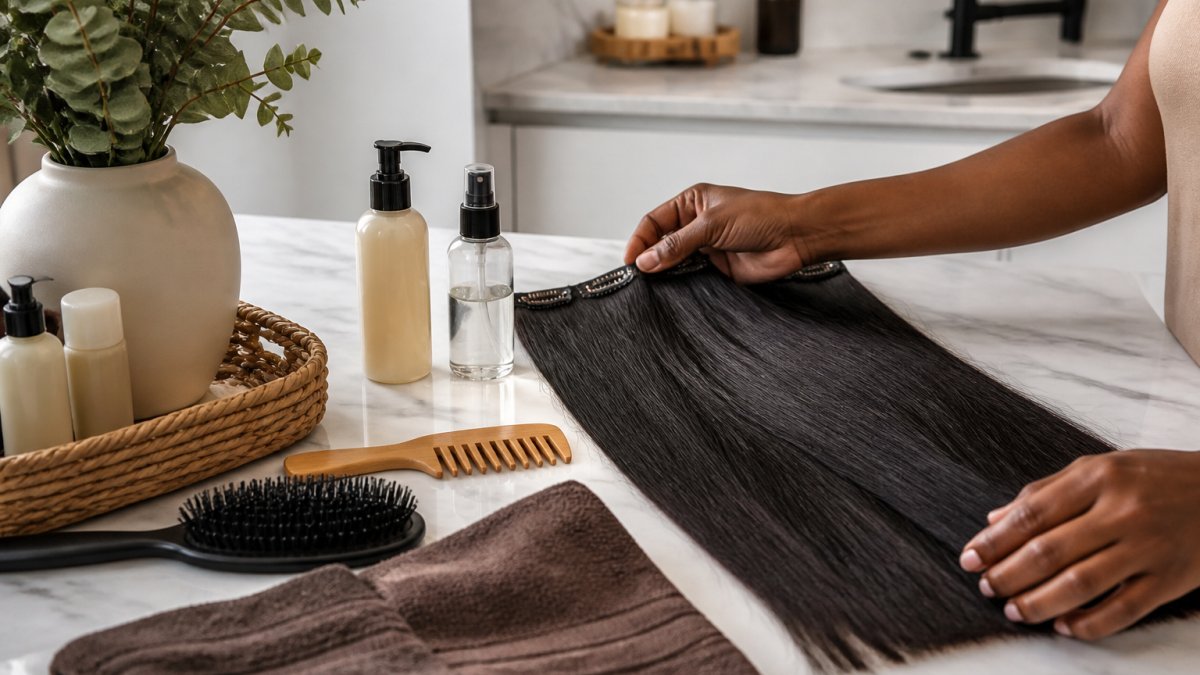
Gather essentials: a wide-tooth comb, sulfate-free shampoo and conditioner, heat protectant spray, silk pillowcase, leave-in conditioner, and deep conditioning mask. Extension hair lacks natural scalp oils, so moisture retention is critical.
The choice between sulfate-free versus standard shampoos matters more than most people realize. Sulfates strip moisture and cause the cuticle layers to lift, which accelerates tangling and frizz. According to Millionaire Beauty Brand Extensions, maintaining silky extensions requires exclusively using sulfate-free products to ensure cuticle alignment and proper moisture retention.
Temperature control is equally critical. Keep styling tools at or below 350°F, this is the threshold that protects extension hair from heat damage. Above that, you're accelerating deterioration. A heat protectant spray applied before any heat styling creates a barrier between the tool and the hair shaft.
How to Wash Hair Extensions Properly
Washing is where most damage happens. The friction of water, product, and your hands creates the perfect storm for tangling if you don't approach it methodically.
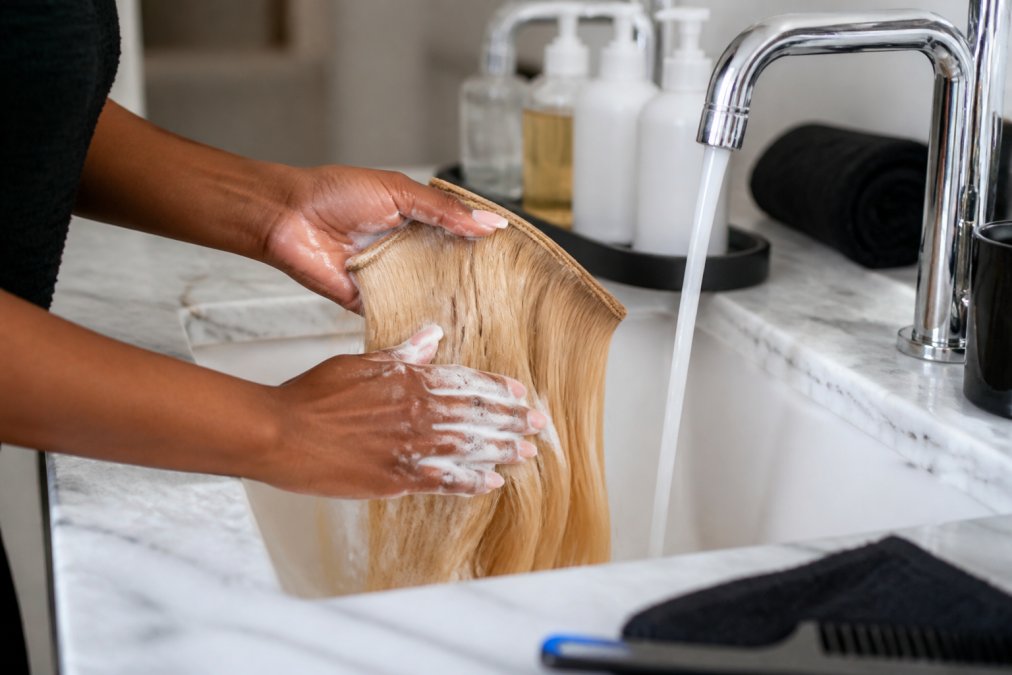
Pre-wash preparation and gentle cleansing
Brush extensions thoroughly before wetting them, using a wide-tooth comb from ends upward. Wet hair is fragile; brushing it wet multiplies breakage and tangling risk. This step removes loose strands and debris that would tangle during washing.
Use lukewarm water, not hot. Apply sulfate-free shampoo to your palms, then work through hair gently. Never scrub roots or attachment points; focus on mid-lengths and ends.
Rinse thoroughly with cool water. Product buildup is one of the leading causes of tangling, so this step matters more than people think. Some experts suggest that clarifying shampoo may be necessary to remove product buildup first, especially if you've been using regular conditioners or styling products that accumulate over time, according to Hair Compounds.
Sulfate-free shampoo and conditioning
Apply conditioner to mid-lengths and ends (not attachment points) for 2-3 minutes, then rinse with cool water until clear. This is the foundation of how to maintain silky hair extensions. Skipping sulfate-free products or using hot water causes degradation within weeks.
How to Prevent Hair Extensions from Tangling
Brushing techniques with a wide-tooth comb
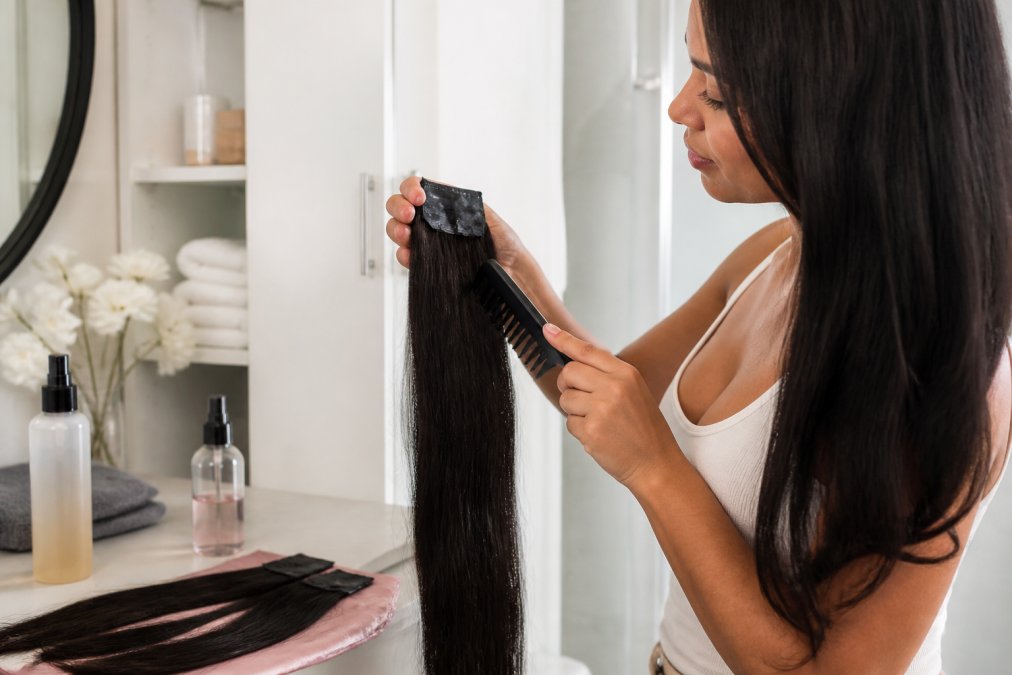
Brush your extensions twice daily: once in the morning and once before bed. Use only a wide-tooth comb. Fine-tooth brushes catch and break extension hair. Start at the very ends and work upward in small sections, never yanking through a tangle. Patience here prevents the matting that becomes impossible to fix.
When you encounter a knot, don't pull. Gently work the comb through the outer edge of the tangle, gradually working inward. This approach takes an extra minute but saves your extensions from breakage.
Product buildup accelerates tangling by creating sticky residue. Use clarifying shampoo every 2-3 weeks to strip buildup. If tangling develops, apply leave-in detangler spray, wait 30 seconds, then gently comb through.
Drying and Heat Styling Without Damage
How you dry extensions determines whether they emerge soft or frizzy. Environmental conditions and seasonal changes dramatically affect extension response to heat and moisture.
Foundational drying techniques
Air-dry when possible. If using heat, apply heat protectant spray first, use lowest setting, keep the dryer moving, and maintain at least 6 inches distance from hair.
Keep heat tools at or below 350°F to prevent protein denaturation. Set to medium heat (300-320°F), work in small sections, and never pass a tool over the same section more than twice in one session.
Never sleep on wet or damp extensions; moisture and friction cause tangling and matting. Allow at least 2-3 hours drying time after evening washes.
Seasonal adjustments for summer heat and humidity
High humidity causes cuticle swelling and uneven moisture absorption, creating frizz. UV rays break down protein bonds, causing color fading. Before swimming, wet extensions with fresh water and apply leave-in conditioner to reduce chlorine and salt absorption. Rinse immediately after with sulfate-free shampoo. Apply UV-protective spray before sun exposure and wear a hat when possible. Reduce heat styling frequency and embrace air-drying and heat-free styles.
Winter adjustments for dry air and static
Low humidity and indoor heating cause dryness and static. Increase deep conditioning to twice weekly. Use a humidifier to raise ambient humidity. Dry extensions with a microfiber towel or cotton t-shirt, and apply anti-frizz serum or static-reducing spray before blow-drying. Winter's low humidity is ideal for heat styling, but frequent conditioning prevents brittleness.
Hard water and mineral buildup
Hard water deposits minerals that make hair stiff, dull, and prone to tangling. Use clarifying shampoo every 2-3 weeks to strip deposits, or install a shower filter with ion-exchange resin. Follow clarifying with deep conditioner to restore moisture.
Best Products for Hair Extension Maintenance
Product choice is critical. The difference between maintaining silkiness and degrading extensions comes down to ingredient chemistry and how molecules interact with extension hair's lack of natural sebum.
Understanding silicone versus oil-based conditioners
Silicones coat hair and create shine but don't penetrate; buildup creates a waxy layer over time. Rotate silicone-based and silicone-free products every 2-3 weeks. Natural oils (argan, jojoba) penetrate and provide genuine moisture. Jojoba mimics scalp sebum and resists buildup; argan contains antioxidants that restore protein structure. Apply oils only to mid-lengths and ends.
Identifying problematic ingredients to avoid
Sulfates (sodium lauryl sulfate, sodium laureth sulfate) strip moisture by breaking down the lipid layer that holds the hair cuticle closed. This causes the cuticle to lift, which accelerates tangling and frizz. This is non-negotiable: sulfate-free is essential, not optional.
Alcohols in styling products (ethanol, isopropyl alcohol) evaporate quickly and can leave extension hair dry and brittle. Look for products that list alcohol far down the ingredient list, or avoid it entirely in leave-in products. Alcohols are acceptable in rinse-out conditioners because they're washed away.
Silicones with high molecular weight (amodimethicone) are heavier and more likely to build up than lighter silicones. If you use silicone products, lighter versions like dimethicone are less problematic than amodimethicone, though rotation remains important.
Protein-heavy conditioners (keratin, collagen) can seem beneficial but often cause stiffness and brittleness in extension hair when used too frequently. These work best as occasional treatments (once monthly) rather than regular conditioners.
Leave-in conditioners and hair oils
Leave-in conditioners applied to the mid-lengths and ends keep extensions hydrated between washes. Choose formulas with humectants (glycerin, panthenol) that draw moisture into the hair shaft, rather than purely occlusive products. Apply sparingly, a dime-sized amount for shoulder-length extensions, because excess product creates buildup that makes hair feel sticky rather than silky.
A light hair oil (argan, jojoba, or a blend) can be applied to the ends 2-3 times weekly to add shine and reduce frizz. Apply only to the bottom 2 inches of hair. Never apply oil to roots or attachment points; it will slide down and accumulate at the base, causing the extensions to slip or feel greasy.
Deep conditioning masks and heat protectants
Once weekly, apply a deep conditioning mask designed for extensions or color-treated hair. These are typically richer than regular conditioners and contain higher concentrations of moisturizing ingredients. Leave it on for 10-15 minutes (or follow package directions).
Nighttime Care and Storage for Silky Extensions
Your nighttime routine determines whether you wake up to silky extensions or tangled ones.
Professional Maintenance Every 6-8 Weeks
Professional maintenance appointments are not optional, they're essential. According to EH Hair Extensions, professional maintenance and adjustment appointments are required every 6-8 weeks as natural hair grows, to ensure extensions remain in optimal condition and prevent issues like matting or tangling.
Common Mistakes to Avoid
Most extension damage comes from a handful of preventable mistakes.
| Maintenance Task | Frequency | Key Detail |
|---|---|---|
| Brushing with wide-tooth comb | 2x daily | Start at ends, work upward |
| Washing with sulfate-free products | 2-3x weekly | Use lukewarm water, rinse thoroughly |
| Deep conditioning mask | Weekly | Leave on 10-15 minutes |
| Clarifying shampoo | Every 2-3 weeks | Removes product buildup |
| Professional maintenance appointment | Every 6-8 weeks | Adjusts attachment points as natural hair grows |
| Heat styling tool temperature | Always | Keep at or below 350°F |
Frequently Asked Questions
How often should I wash my hair extensions to keep them silky?
Wash your extensions every 7-10 days using sulfate-free shampoo and cool water. Over-washing strips natural oils and causes dryness; under-washing allows product buildup that leads to matting and tangles. Between washes, use dry shampoo or a light leave-in conditioner to refresh without full cleansing. This balance maintains moisture retention and softness while preventing the tangling and matting that damage silky texture.
Can I use heat styling tools on my hair extensions?
Yes, but keep styling tools at or below 350°F to protect extension health. Excessive heat damages the cuticle alignment and causes frizz and breakage. Always apply a heat protectant spray before blow-drying or using flat irons. Air-drying is the safest option when time allows. Human hair extensions can handle heat better than synthetic, but even human hair requires this temperature threshold and protective products to maintain silky softness.
What makes hair extensions get matted and tangled, and how do I stop it?
Matting and tangling result from friction, product buildup, and improper brushing. Prevent them by brushing gently with a wide-tooth comb before washing (never while wet), using sulfate-free products, and sleeping on a silk pillowcase. Product buildup from regular shampoo or conditioner causes the cuticles to stick together; clarifying shampoo removes this buildup. Professional maintenance every 6-8 weeks checks attachment points and prevents tension that leads to matting at the roots.
Do I need special products for hair extensions, or can I use my regular shampoo?
Use sulfate-free, paraben-free products designed for extensions. Regular shampoos contain sulfates that strip moisture, cause frizz, and accelerate matting. Extension-specific formulas maintain pH balance and cuticle alignment while providing moisture retention. Pair sulfate-free shampoo with a leave-in conditioner or hair oil to lock in hydration. This combination keeps extensions silky, tangle-free, and lasting longer than generic products.