 ultimate-guide
Why Premium Hair Extensions Are Worth It
Table of Contents
- The Real Cost of Cheap Extensions vs. Premium Quality
- How to Make Extensions Look Natural
- How Long Do Premium Hair Extensions Last
- Material Science: Why Remy and Raw Hair Command Premium Prices
- Hair Extension Maintenance Tips for Longevity
- The Scalp Health Advantage of Premium Extensions
- Cost-Per-Wear Analysis: Why Premium Extensions Make Financial Sense
- Frequently Asked Questions
Last Updated: September 27, 2026
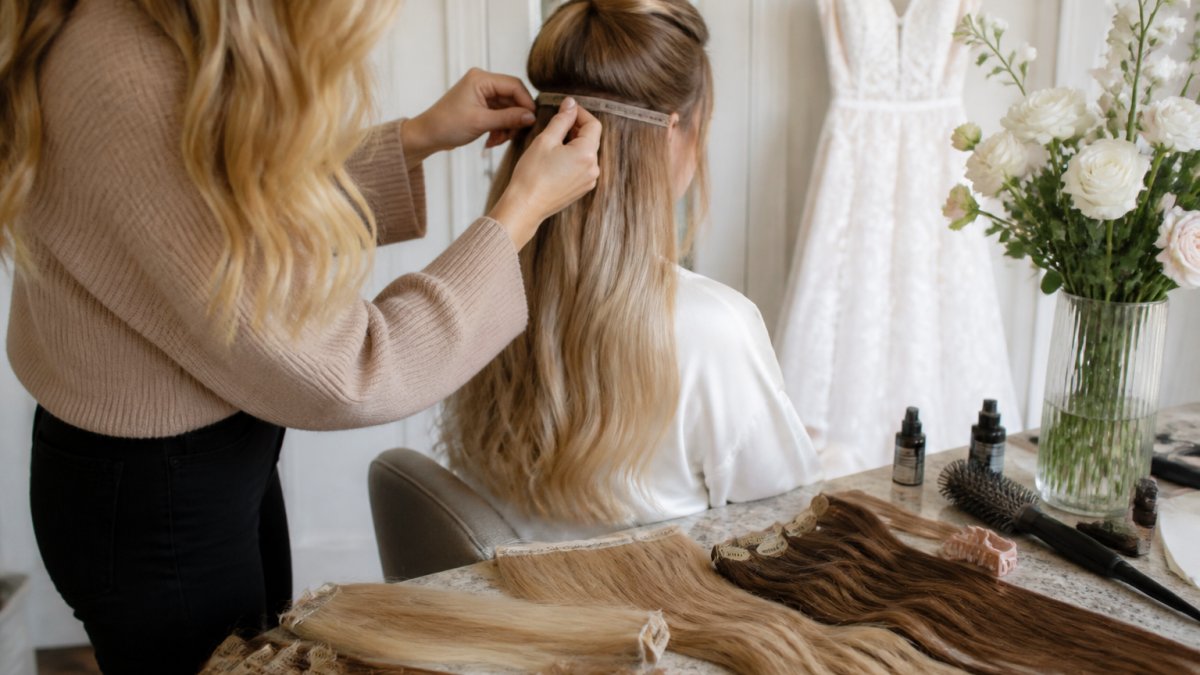
Premium hair extensions have become a significant investment for many people seeking to transform their appearance. At Luscious Lips & Locks 4u by Michelle, we understand the hesitation around spending considerably more for premium quality when cheaper alternatives exist. The global hair extensions market was valued at $3.1 billion in 2026, with hair extensions commanding a 54% market share based on irreplaceable performance credentials, yet many buyers still question whether the premium price tag justifies the cost. This guide breaks down exactly why premium hair extensions are worth it, and what makes them fundamentally different from budget options.
The Real Cost of Cheap Extensions vs. Premium Quality
Choosing budget extensions feels like a smart financial decision until you factor in replacement frequency. Lower-quality synthetic or standard human hair extensions typically last 4-8 weeks before matting, tangling, or shedding becomes unmanageable. Premium Remy hair, by contrast, lasts 3-5 times longer than lower-quality alternatives, according to Hadrill Hair's durability analysis, meaning you're replacing budget extensions every few months while premium ones maintain their integrity for months longer.
A $50 budget set replaced every 6-8 weeks costs $300-400 annually. Premium extensions at higher upfront cost deliver 6-12 months of wear, making per-month expense significantly lower. Cheap extensions frequently cause tension-related hair damage, scalp irritation, and breakage requiring expensive corrective treatments. Premium extensions distribute weight evenly and minimize stress on natural hair.
How to Make Extensions Look Natural
Premium hair extensions look natural because they maintain cuticle alignment, the microscopic scales on each strand all point in the same direction. This alignment allows light to reflect uniformly, creating the same lustrous appearance as natural hair.

Raw hair and Remy hair preserve cuticle alignment, which is why professionals recommend premium extensions for their ability to hide split ends and maintain hair density safely. Synthetic extensions have fixed texture and cannot be styled with heat, making them obvious when worn alongside naturally styled hair.
Premium providers match hair texture, density, and color with precision, accounting for wave pattern, strand thickness, and undertones. Budget extensions come in limited variations, forcing you to choose the closest match rather than the perfect one.
How Long Do Premium Hair Extensions Last
Premium hair extensions typically last 6-12 months with proper maintenance, while budget options deteriorate within weeks. This longevity stems from material composition and construction quality. Remy hair maintains its integrity because cuticles remain aligned throughout the extension's lifespan, preventing the tangling and matting that degrades cheaper fibers.
Longevity depends on application method and material quality. Premium extensions work with all application methods because the fiber resists degradation. Budget extensions fail faster regardless of application because the underlying material breaks down under normal wear.
Raw hair has never been chemically processed, so it retains maximum strength and elasticity. Standard extensions have been processed, bleached, or treated, which weakens fiber structure and manifests as breakage, shedding, and loss of texture definition.
Material Science: Why Remy and Raw Hair Command Premium Prices
Remy hair is collected with all cuticles pointing in the same direction, requiring careful harvesting and sorting. Raw hair is never chemically processed, maintaining complete structural integrity from collection.
This material science advantage translates directly to performance. According to Grand View Research's 2026 market analysis, the premium segment is growing at a 10.8% CAGR because consumers increasingly recognize that natural human hair provides superior benefits over synthetic options due to better blending, texture, and heat styling compatibility. Synthetic fibers cannot replicate this performance because they're manufactured polymers, not biological material.
Budget extensions undergo multiple chemical treatments, bleaching, coloring, coating, each damaging fiber structure. Premium extensions minimize processing, preserving natural strength. This is why premium Remy hair can be heat-styled, colored, and treated like natural hair, while budget options become brittle and break.
| Hair Type | Cuticle Alignment | Heat Styling | Lifespan | Color Retention |
|---|---|---|---|---|
| Raw Hair | Perfect | Yes | 12+ months | Excellent |
| Remy Hair | Aligned | Yes | 6-12 months | Very Good |
| Standard Human | Partial | Limited | 2-4 months | Fair |
| Synthetic | None | No | 4-8 weeks | Poor |
Hair Extension Maintenance Tips for Longevity
Professional maintenance cycles determine whether extensions last or fail prematurely, and how that cost factors into long-term value.
Daily and Weekly Care Routine
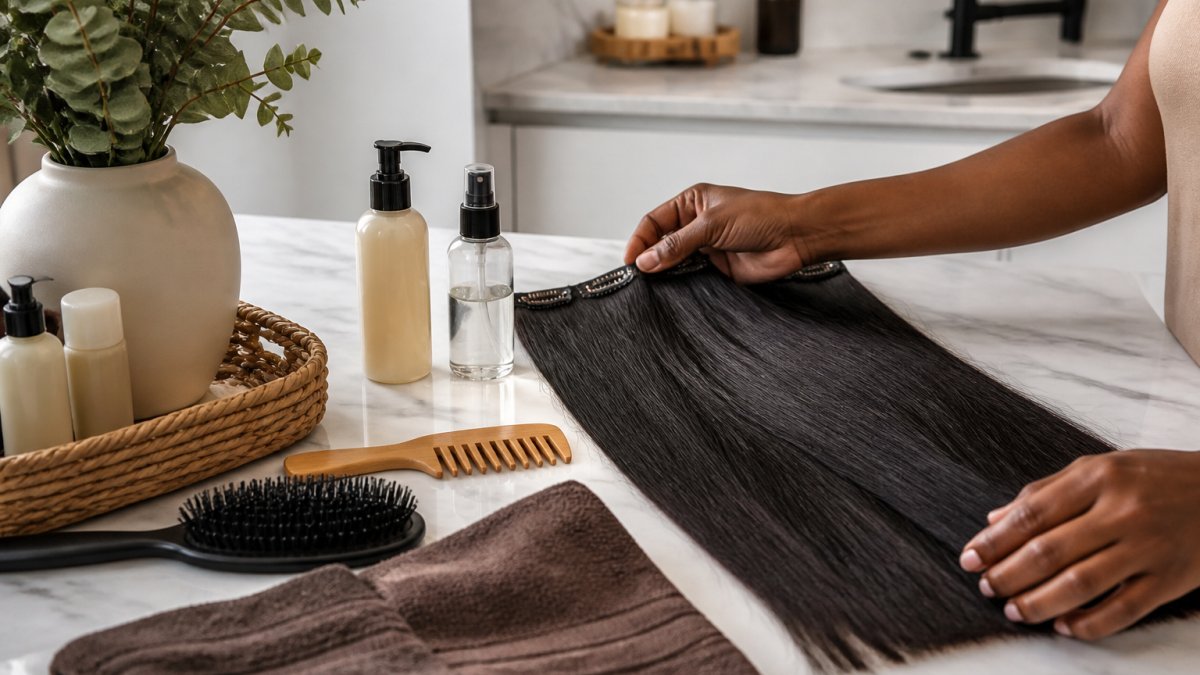
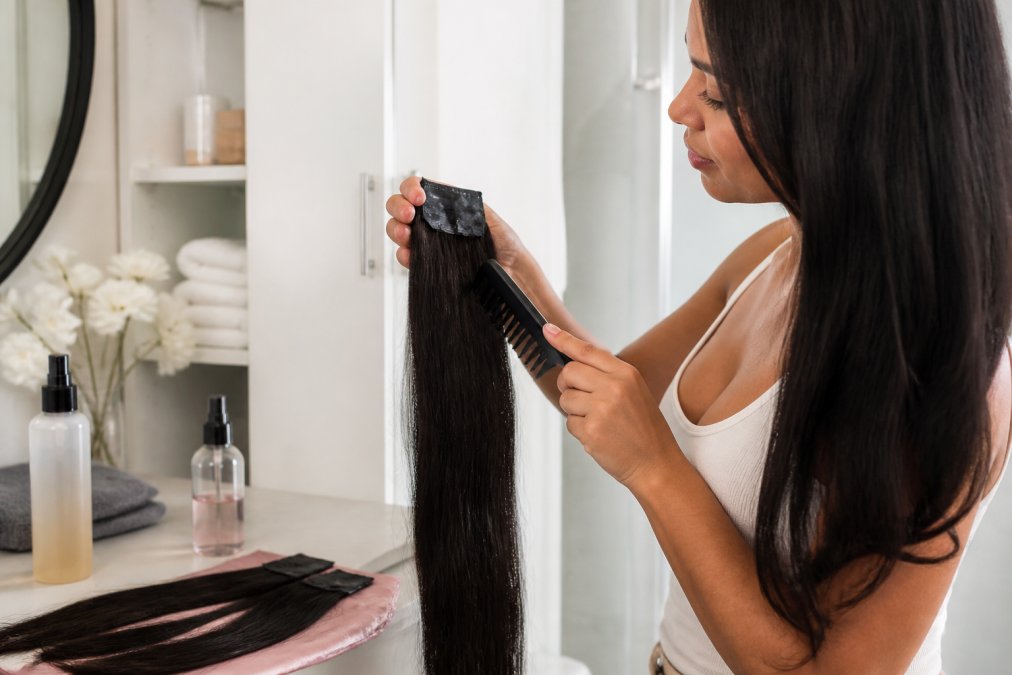
Maintenance includes gentle washing with sulfate-free shampoo, conditioning from mid-shaft downward, and air-drying when possible. Use heat protectant products and lower temperatures. Brush gently from ends upward to avoid pulling at wefts.
Budget extensions tangle because cuticle scales are misaligned or damaged, causing friction between strands. Premium extensions resist tangling because aligned cuticles allow smooth passage. However, neglecting maintenance, sleeping with wet hair, using hot water, or aggressive brushing will damage even premium material.
The Hidden Cost: Professional Maintenance Appointments
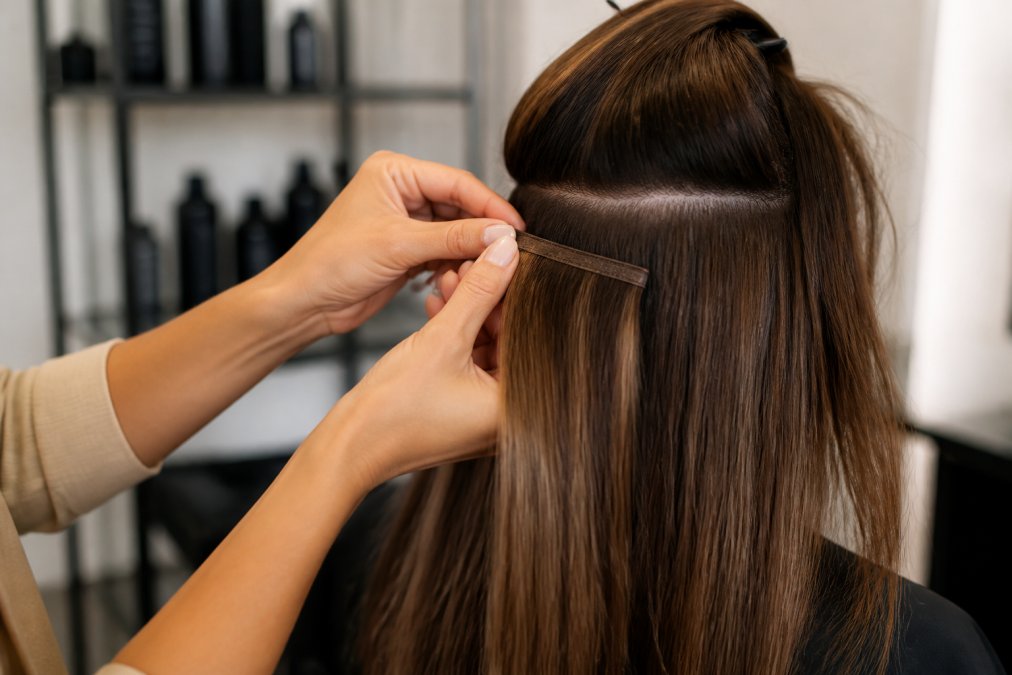
Professional maintenance is essential: tape-in extensions require removal and re-application every 6-8 weeks as natural hair grows. Sew-in wefts need tightening every 4-6 weeks. Clip-in systems benefit from professional conditioning treatments every 4-6 weeks to maintain fiber integrity.
These appointments typically cost $75-$200 per visit. Over 12 months, you'll invest $450-$1,200 in professional maintenance alone.
Budget extensions deteriorate so rapidly you're replacing them entirely every 6-8 weeks, costing $80-$150 per replacement plus installation labor. Premium extensions maintain structural integrity through maintenance cycles. You're paying for professional care that preserves an asset, not replacing a disposable product.
Removal and Re-Application: The Process and Why It Matters
Tape-in extensions are removed by dissolving adhesive with specialized solution, then gently sliding the tape away. This takes 30-60 minutes and requires skill to avoid damaging natural hair. Improper removal causes breakage and scalp irritation.
Sew-in wefts are removed by carefully cutting thread attaching the weft to braided natural hair, then unraveling braids (45-90 minutes). Rushed removal causes matting and breakage.
Premium Remy and raw hair withstand multiple removal cycles without significant degradation, maintaining structure and cuticle alignment through 2-3 complete cycles. A single premium set can serve 12-18 months with professional maintenance. Budget extensions often cannot survive even one removal cycle, fibers break, cuticles separate, and tangling becomes unmanageable.
Maintenance Investment Justification
A $300 premium set with $600 annual maintenance costs totals $900 annually and lasts 12-18 months ($50-$75 per month).
The Scalp Health Advantage of Premium Extensions
The scalp health impact of extensions extends far beyond temporary discomfort, it involves how weight distributes across your scalp and how that stress affects hair follicle function over months and years.
Understanding Traction Alopecia and Follicle Stress
Material Science and Scalp Tension
Professional Application and Scalp Distribution
Long-Term Follicle Health and Hair Growth Cycle
Scalp Health Markers to Monitor
Watch for these scalp health warning signs:
- Persistent itching or tenderness at attachment points, indicating inflammation and follicle stress
- Visible hair loss or thinning at the hairline or temples, classic signs of traction alopecia
- Scalp flaking or irritation that doesn't resolve with regular shampooing
- Increased shedding when removing extensions, indicating follicle stress
Cost-Per-Wear Analysis: Why Premium Extensions Make Financial Sense
A $300 premium set worn for 9 months costs approximately $1.11 per wear. An $80 budget set replaced every 6 weeks costs roughly $2.00+ per wear when factoring in replacement frequency.
Frequently Asked Questions
What makes premium hair extensions different from budget options?
Premium hair extensions, especially Remy and raw hair, feature intact cuticle alignment that prevents tangling and shedding. Budget extensions often use chemically processed hair with stripped cuticles, causing matting within weeks. Premium Remy hair lasts 3-5 times longer than lower-quality alternatives, making the higher upfront cost a genuine investment. Natural human hair also blends seamlessly with your own hair texture and accepts heat styling without damage, while synthetic fibers cannot.
How long do premium hair extensions actually last with proper care?
Premium Remy and virgin hair extensions typically last 6-12 months with consistent maintenance, compared to 2-4 months for budget synthetic options. The longevity depends on application method, daily care routine, and how often you style with heat. Professional installation and regular maintenance appointments extend lifespan significantly.
Will premium extensions damage my natural hair if applied correctly?
Premium extensions applied by trained professionals actually protect your natural hair. High-quality extensions distribute tension evenly across the scalp, reducing strain on individual follicles. The key is proper application, correct weight distribution, and regular maintenance. Budget extensions often use heavier wefts and inferior adhesives that create excessive tension, leading to traction alopecia and breakage.
How do I maintain premium extensions to keep them silky soft and tangle-free?
Premium extensions stay tangle-free through weekly deep conditioning, gentle brushing with a wide-tooth comb starting at the ends, and sleeping in a silk pillowcase or braid. Avoid chlorine and saltwater, which strip the hair cuticle. Wash extensions in cool water with sulfate-free products, and never brush wet hair. Proper maintenance not only preserves the silky texture but extends the lifespan to justify the initial investment.