 listicle
7 Luxury Hair Extension Alternatives That Hold Up
Last Updated: November 1, 2026
Quick Summary
The best luxury hair extension alternatives include clip-ins, halos, tape-ins, and salon-bonded options, each suited to different hair types and routines. Choose by hair density, lifestyle, and maintenance tolerance, since the method matters more than the brand. Always factor in ongoing maintenance costs, not just the sticker price.
- Clip-in extensions sit lighter and suit fine or thinning hair, according to the article.
- Tape-in and bonded methods need regular professional re-taping to avoid slipping and matting.
- Clip-ins and halos can be removed before bed and workouts, reducing friction and matting.
- Test a piece for a full day to check weight, part placement, and front-hairline blending.
- Ask whether a brand allows color customization before buying, since shade matching often matters more than method.
Table of Contents
- Why Shoppers Look Beyond Traditional Luxury Extensions
- How to Judge a Luxury Extension: Quality Criteria Used in This Comparison
- Comparing Luxury Extension Options Side by Side
- Damage-Free Hair Extension Methods Worth Considering
- Best Human Hair Extension Brands for Volume
- Total Cost of Ownership and Hair Extension Maintenance Tips for Longevity
- Booking or Buying Your Next Set: Matching Extensions to Your Hair, Timeline and Budget
- Frequently Asked Questions
Why Shoppers Look Beyond Traditional Luxury Extensions
Luxury hair extensions can cost hundreds of dollars before a single strand is installed. That price tag is why many shoppers start looking for alternatives. At Luscious Lips & Locks 4U, we see the same pattern: buyers want a premium look, soft hair that stays tangle-free, and a method that fits their routine and their budget.
The global human hair extension market was valued at USD 5.36 billion in 2025 and is projected to reach USD 5.90 billion in 2026 (Fortune Business Insights human hair extension market report). That growth reflects real demand, and it also means more options than ever.
Price is only part of the story. A higher price does not guarantee a good result. The method, the hair, and the fit all matter.
How to Judge a Luxury Extension: Quality Criteria Used in This Comparison
A premium label alone does not tell you much. We judged each option on five practical criteria:
- Hair source and finish: Is the hair 100% human, and does it keep its cuticle intact?
- Application method: Clip-in, tape-in, weft, or salon-bonded?
- Weight and comfort: Will it sit flat and feel light on fine or thinning hair?
- Color range: Can you find a shade that blends with your natural tone?
- Total cost over time: Include maintenance, re-taping, and replacement.
Weightless lengths and seamless, softly layered blends are expected to dominate in 2026, according to Great Lengths (Great Lengths 2026 hair extension trends). Those trends set a useful benchmark for what a modern luxury extension should deliver.
Comparing Luxury Extension Options Side by Side
The table below summarizes the starting prices reported in the research. Prices can change, so confirm current pricing on each brand's website.
| Brand | Starting Price (USD) | Method | Best For |
|---|---|---|---|
| RPZL | $250 | Clip-in | Salon-quality volume for special occasions |
| Luxy Hair | $275 | Seamless clip-in | Fine or thinning hair, DIY application |
| Bellami Hair | $150 | Tape-in, weft, clip-in | Professional installs and long wear |
| Glam Seamless | $180 | Tape-in, weft | Precise color matching |
| Indique Hair | $200 | Various | Reusable, texture-retaining hair |
| Donna Bella Hair | $160 | Kera-Link, tape-in | Salon professionals |
| Zala Hair Extensions | $120 | Clip-in, tape-in | Balance of quality and price |
| Great Lengths | Contact for pricing | Salon bonding | Highest-end, long-term hair health |
Watch out: Tape-in and bonded extensions need regular professional maintenance. Skipping re-taping appointments can lead to slipping and matting.
What the Sticker Price Leaves Out
A luxury extension is a multi-year purchase, not a one-time one. The number on the product page rarely reflects what you will actually spend to keep the hair wearable. A realistic cost-over-time comparison has to include four line items that most brand pages do not surface:
Matching the Alternative to Your Hair and Routine
Method matters more than brand for most shoppers. Use this decision guide to narrow the field before you compare prices:
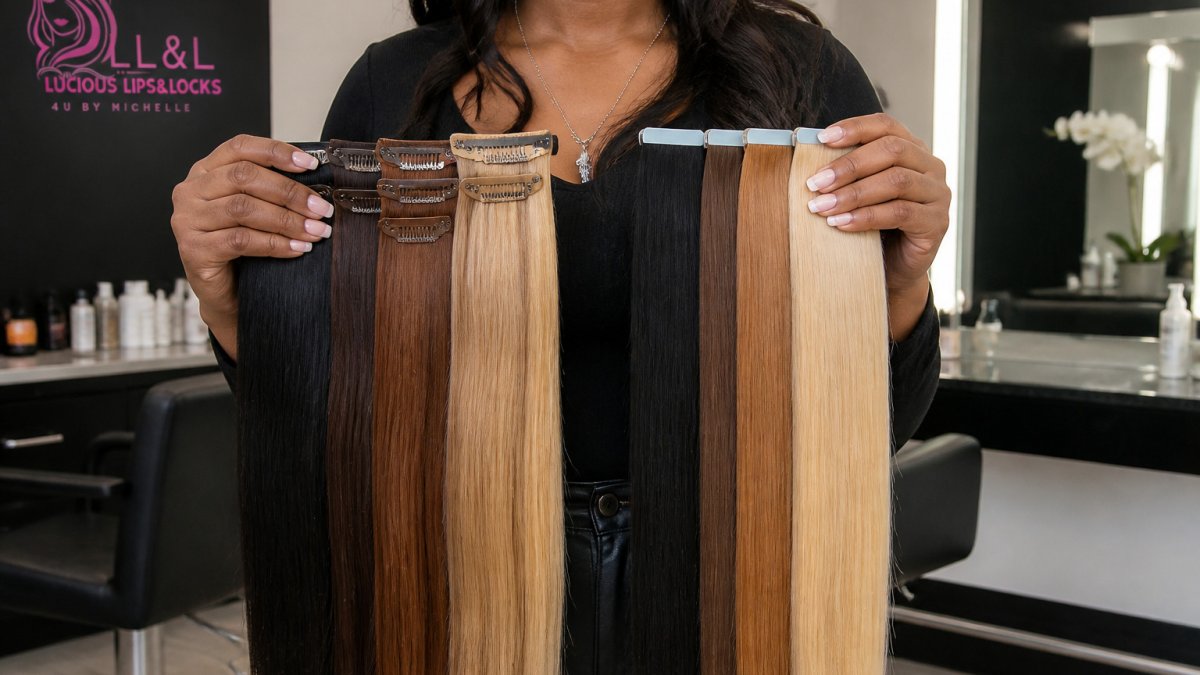
- Fine or thinning hair: Prioritize low weight and a flat profile. Seamless clip-ins and halos sit lighter than tape-ins or wefts and are less likely to strain fragile strands.
- Thick or coarse hair: You can carry more weight. Wefts and tape-ins give fuller coverage with fewer pieces and blend more easily into dense textures.
- Active or daily-wear lifestyle: Clip-ins and halos come out before bed and before workouts, which reduces friction and matting. Tape-ins and bonded methods stay in for weeks and need more careful washing and brushing.
- Occasion-only wear: A clip-in or halo set used a few times a year delivers the best cost per wear because it does not require recurring salon appointments.
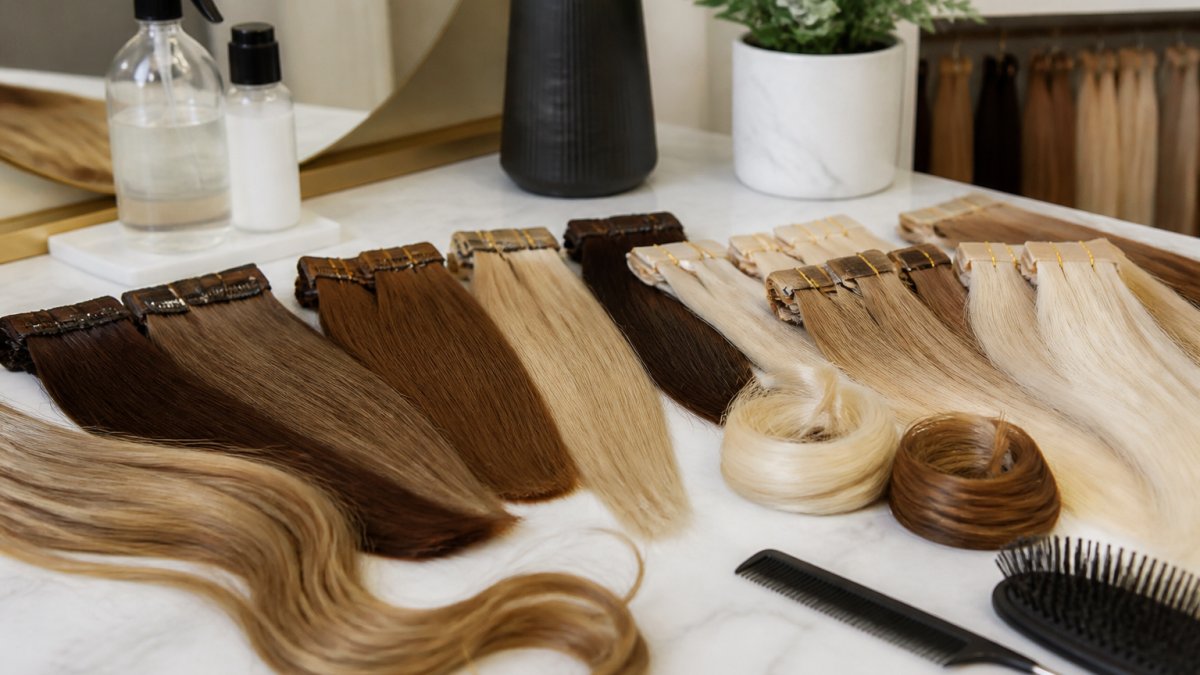
- Color-matched or highlighted hair: A broad shade range and the ability to tone or customize the piece matter more than the method. Ask whether the brand allows color customization before you buy.
Damage-Free Hair Extension Methods Worth Considering
Not every alternative requires a salon chair or permanent bonds. Clip-ins, halos, toppers, and ponytail pieces are common salon-free options, according to Millionaire Beauty Brand Extensions (Millionaire Beauty Brand Extensions guide to salon-free alternatives).
How We Assess Damage-Free Options
Most brand pages describe their extensions as damage-free. That claim is only useful if you test it the same way across options. A practical assessment looks at five things:
- Shedding: Comb a damp test piece from ends to roots and count how many strands release. Some shedding is normal; clumps are not.
- Tangling: Wear the piece for a full day, then check the nape and ends for matting. Tangling at the ends usually signals a cuticle that has been stripped or a weft that was not sealed.
- Comfort and weight: A damage-free method should not pull at the scalp or leave tender spots after a few hours. Clip-in pressure points and halo wire tension are the usual culprits.
- Blending: Check the front hairline and the part in daylight. A halo or clip-in that will not blend at the front is not damage-free in practice, because you will keep adjusting it.
- Performance after washing: Wash the piece once with a sulfate-free shampoo, air-dry it, and re-check shedding and tangling. Many problems only appear after the first wash.
Sourcing, Processing, and What "Luxury" Should Mean
A luxury-focused guide should be honest about where the hair comes from and how it was processed. Two sets can look identical on a product page and behave very differently after a month of wear.
-
Cuticle alignment: Look for hair described as cuticle-intact or Remy, which means the strands are aligned in one direction. Aligned cuticles reduce tangling and keep the hair smoother for longer.
-
Processing: Ask whether the hair was gently processed or heavily treated. Over-processed hair can look glossy at first and then dry out or mat quickly.
-
Customization: Luxury often shows up in service, not just hair. Color matching, toning, and cutting to blend with your natural hair are part of the value, and they are worth asking about before you buy.
Aftercare and Safe Removal
A simple routine keeps damage-free methods damage-free:
- Detangle gently from the ends upward with a wide-tooth comb or loop brush.
- Wash less often and use sulfate-free products.
- Store clip-ins and halos on a wig stand or in a breathable bag between wears.
- Remove clip-ins and tape-ins before sleeping, and never sleep in a tight ponytail with extensions in.
- For tape-ins and bonded methods, keep re-taping and re-bonding appointments on schedule. Slipping tape is a damage risk, not just an aesthetic one.
Best Human Hair Extension Brands for Volume
If volume is your main goal, look for brands that offer multiple weights and a generous number of pieces. Choose a density that matches your natural hair, since too much weight can strain fine strands.
Our advice is simple: start with a mid-range weight, check how it sits after a full day, and adjust from there.
Total Cost of Ownership and Hair Extension Maintenance Tips for Longevity
The sticker price is just the starting point. Long-term cost depends on how often you replace, re-tape, or re-bond your extensions. A cheaper set that tangles within weeks can cost more over a year than a premium set that lasts.
Maintenance keeps the investment going:
- Detangle gently from the ends upward, using a wide-tooth comb
- Wash less often and use sulfate-free products
- Store extensions on a wig stand or in a breathable bag
- Schedule re-taping or bond maintenance on time
- Remove clip-ins and tape-ins before sleeping in a loose braid
Follow these steps and your extensions will hold their silky feel for much longer. Our quick guide, How to Stop Hair Extensions Tangling: A 2026 Guide, walks through the process in more detail.
Booking or Buying Your Next Set: Matching Extensions to Your Hair, Timeline and Budget
Start with three questions: How much hair do you need? How long do you need it to last? What is your budget? A wedding in six weeks calls for a different method than a daily-wear look.
If you are still deciding which type suits you, read How to Choose the Right Hair Extensions for You before buying. When you are ready to compare, browse our luxury hair extensions collection and match a set to your hair type and budget.
Our extensions offer the highest quality, but not at the highest price. They are silky soft and tangle free.
Frequently Asked Questions
What are the best damage-free alternatives to traditional hair extensions?
Clip-in, halo and ponytail pieces avoid heat, glue and tight bonds at the root, so they place less stress on natural hair. Clip-ins can be removed nightly, which makes them the simplest damage-free option for daily wear. Halos sit on top of the head and suit people who want volume without any attachment at the scalp. Tape-ins and keratin-tip methods are gentler than sew-ins but still require professional removal and a recovery period between sets. Before buying, check whether a brand's installation method has been tested against your hair type and density.
How do luxury hair extension alternatives compare to hand-tied methods?
Hand-tied extensions are sewn into a thin weft by hand and then attached to braided rows, so they lie flat and move naturally but need a salon for installation and removal. Luxury clip-in and halo alternatives can be applied at home in minutes and removed without a stylist. Hand-tied sets usually last several weeks with proper care, while clip-ins are designed for repeated, short-term use. The trade-off is convenience and reversibility on one side and longer wear on the other. Compare the cost of each visit or set over the time you expect to wear them.
How long do luxury hair extension alternatives typically last?
Lifespan depends on the hair construction, how often the pieces are worn and how they are stored. Quality clip-in sets made from cuticle-intact human hair can be worn many times when washed gently and stored flat or on a stand. Tape-in and bonded methods need to be removed and re-applied on a regular schedule. Synthetic pieces wear out faster under heat and friction. Keep a simple log of wear time so you can compare cost per wear across brands.
What should I look for when choosing premium hair extension alternatives?
Start with hair type: check whether the product is 100% human hair, how the wefts are constructed, and whether the cuticles run in one direction, since that affects tangling. Match the density and texture to your own hair so the blend looks natural at the part. Confirm the shade range and whether it includes your base color and highlights. Look for a clear return or satisfaction policy in writing before you pay a premium. Finally, compare total cost, including the professional service fees, styling products and the number of wears you expect.