 comparison
Violet Grey Alternatives for Premium Skincare
Table of Contents
- Why Shoppers Seek Violet Grey Alternatives for Premium Skincare
- Best Skincare for 40s and 50s: What Mature Skin Actually Needs
- Premium Skincare Brands That Compete with Violet Grey's Curation
- Skincare-Infused Makeup: How Dual-Function Products Enhance Results
- How to Choose Skincare Products: Criteria for Premium Retailers
- Pricing, Value, and What You're Actually Paying For
- Conclusion
- Frequently Asked Questions
Last Updated: October 17, 2026
Why Shoppers Seek Violet Grey Alternatives for Premium Skincare
Finding the right premium skincare alternatives to Violet Grey can feel overwhelming when you're navigating the crowded luxury beauty market. According to Market.us skincare statistics, 59% of consumers prefer skincare products made from natural or organic ingredients, yet many shoppers struggle to find retailers that combine curation, expertise, and genuine value in one place.
At Luscious Lips & Locks 4u by Michelle, we understand that seeking a Violet Grey alternative for premium skincare isn't about settling for less, it's about finding a retailer that aligns with your specific needs, budget, and values. Whether you're looking for dermatologist-formulated options, indie-forward brands, or clean beauty with professional oversight, the market offers compelling choices beyond the traditional luxury gatekeepers.
The reason shoppers explore alternatives varies. Some want transparent pricing without the premium retailer markup. Others seek skincare specifically formulated for mature skin, particularly for those in their 40s and 50s who need targeted solutions for fine lines, loss of elasticity, and changing skin texture.
This guide breaks down the most credible Violet Grey alternatives, explains what mature skin actually needs, and shows you how to evaluate premium retailers based on criteria that matter: curation quality, ingredient transparency, price-to-value ratio, and real customer results.
Best Skincare for 40s and 50s: What Mature Skin Actually Needs
Mature skin requires a fundamentally different approach than the one-size-fits-all skincare routines marketed to younger demographics. The best skincare for 40s and 50s addresses specific concerns: loss of collagen and elastin, deeper wrinkles, uneven skin tone, and increased sensitivity.
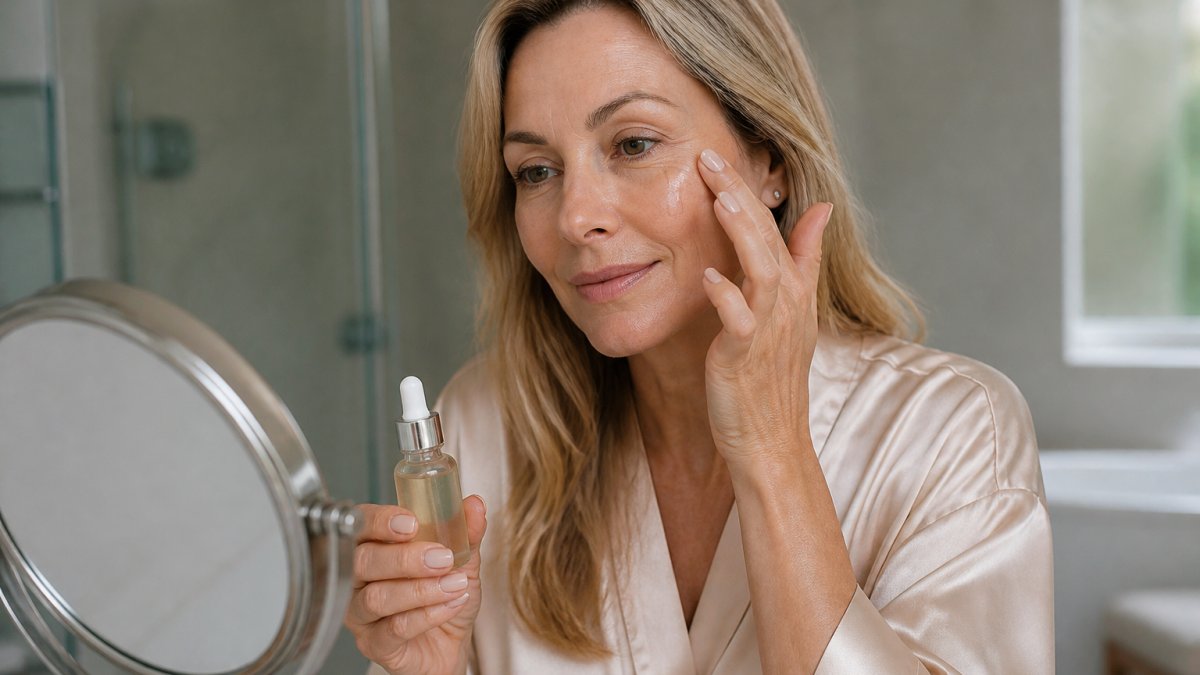
Look for products containing proven actives: retinol or retinoids to stimulate cell turnover, peptides to support skin firmness, hyaluronic acid for deep hydration, and niacinamide to strengthen the skin barrier (pubmed.ncbi.nlm.nih.gov). These ingredients work synergistically to address the visible signs of aging without causing the irritation that sensitive mature skin often experiences.
The best skincare for 40s and 50s also prioritizes hydration and barrier repair. Mature skin produces less natural oil and loses water more easily, making rich moisturizers and facial oils essential. Serums with antioxidants like vitamin C protect against environmental damage that accelerates visible aging.
Consistency matters more at this life stage than product count. A simplified routine with highly effective products outperforms a complex regimen with mediocre ones.
Premium Skincare Brands That Compete with Violet Grey's Curation
Augustinus Bader: Dermatologist-Formulated Luxury
Augustinus Bader represents a distinct category of premium skincare: the dermatologist-founded brand that prioritizes efficacy over marketing hype. Named after the dermatologist who created its proprietary formulas, this brand appears in Violet Grey's own curated collections, signaling its credibility within luxury retail circles.
The Augustinus Bader approach centers on the "TFC8 complex," a patented blend of amino acids, vitamins, and botanical extracts designed to support skin's natural renewal processes. This formula appears across the brand's core products, cleanser, toner, rich cream, and eye cream, creating a synergistic system where each product reinforces the others' efficacy.
For mature skin specifically, Augustinus Bader's rich cream addresses the hydration and barrier-repair needs of skin in the 40s and 50s. The brand's minimalist philosophy appeals to consumers skeptical of ingredient lists longer than a novel. Its pricing reflects the research-backed formulation and dermatologist heritage, positioning it as a premium alternative that justifies its cost through visible results rather than packaging or brand storytelling alone.
Cult Beauty: Indie-Forward Curation for Discerning Shoppers
Cult Beauty operates as a curator of independent and emerging brands rather than a house brand retailer like Violet Grey. This distinction matters: where Violet Grey emphasizes prestige and established luxury, Cult Beauty champions discovery and indie-forward innovation. The retailer identifies emerging skincare brands before they reach mainstream recognition, creating a shopping experience that feels like insider knowledge.
The platform's strength lies in its editorial curation and community reviews. Shoppers can filter by skin concern, ingredient preference, and price point, transparency that traditional luxury retailers often obscure. For consumers seeking premium skincare alternatives who want to explore beyond established names, Cult Beauty's model provides both breadth and depth without the gatekeeping that defines luxury department stores.
The Detox Market: Clean Beauty with Professional Oversight
The Detox Market brings professional curation to clean beauty, a category that has grown substantially as consumers demand skincare without synthetic chemicals, parabens, or questionable preservatives. Acquired by Violet Grey in recent years, The Detox Market maintains its distinct identity as a clean-beauty specialist, making it a relevant alternative for shoppers prioritizing ingredient transparency and environmental responsibility.
The retailer's strength is its rigorous vetting process. Products must meet strict clean-beauty standards before inclusion, meaning shoppers can trust that "clean" isn't just marketing language but a verified standard. For mature skin seeking the best skincare for 40s and 50s without synthetic actives, The Detox Market's curation narrows the overwhelming field to genuinely clean options.
Skincare-Infused Makeup: How Dual-Function Products Enhance Results
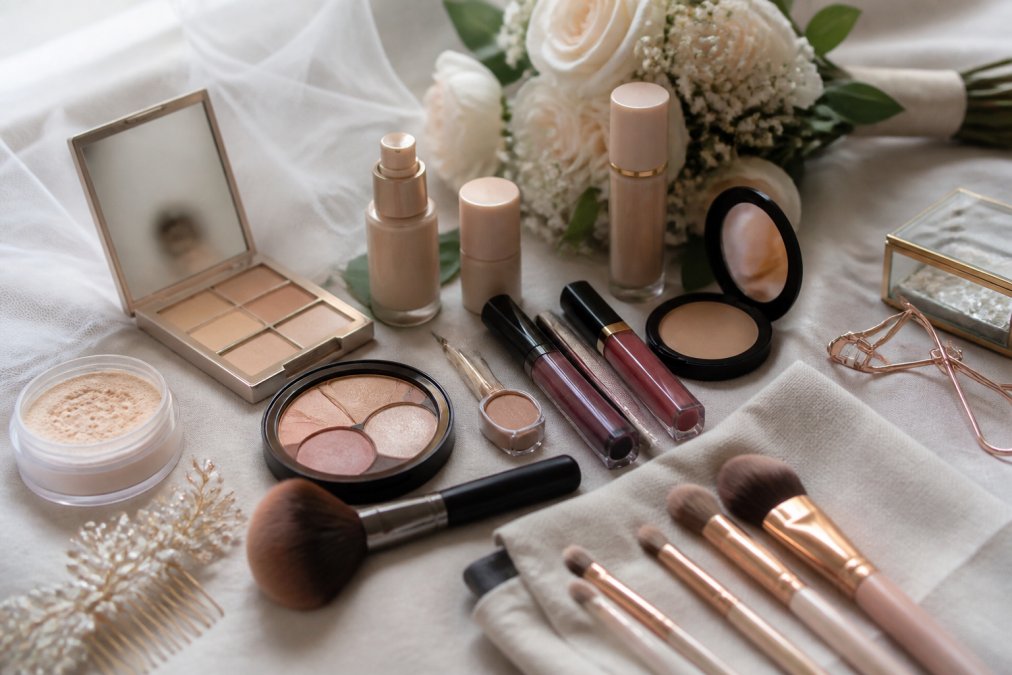
Skincare-infused makeup represents one of the most significant innovations in beauty over the past decade. Rather than treating makeup and skincare as separate categories, brands now formulate makeup products with active skincare ingredients, retinol, hyaluronic acid, peptides, and botanical extracts, that deliver both cosmetic coverage and therapeutic benefits.
The logic is straightforward: if you're wearing makeup for 8-12 hours daily, why shouldn't those hours contribute to your skin's health rather than just sitting on the surface? Skincare-infused makeup allows you to layer treatment into your routine without adding steps or time.
For mature skin, this category matters significantly. A foundation formulated with hydrating and firming actives can plump fine lines, even out skin tone, and provide coverage without settling into creases or emphasizing texture. Concealers with peptides and caffeine can depuff and brighten the under-eye area while covering discoloration. Even mascara formulated with conditioning ingredients can strengthen lashes that naturally thin with age.
The effectiveness depends on formula quality and ingredient concentration. Not all skincare-infused makeup delivers meaningful skincare benefits, some brands use token amounts of actives for marketing purposes. The best options use clinically relevant concentrations and allow sufficient contact time for absorption.
| Product Type | Key Skincare Ingredient | Benefit for Mature Skin | Best Application |
|---|---|---|---|
| Foundation | Hyaluronic acid, peptides | Plumps fine lines, hydrates | All-over base for even coverage |
| Concealer | Caffeine, vitamin K | Depuffs, brightens under-eye | Tap gently; allow 30 seconds to set |
| Mascara | Conditioning oils, biotin | Strengthens lashes, prevents breakage | Apply to upper and lower lashes |
| Lipstick | Plumping peptides, hyaluronic acid | Enhances lip fullness, prevents drying | Layer over lip balm for best results |
| Blush | Antioxidants, botanical extracts | Adds color while protecting skin | Blend into apples of cheeks |
How to Choose Skincare Products: Criteria for Premium Retailers
Evaluating premium skincare retailers requires moving beyond brand prestige and examining the actual criteria that determine whether a retailer will serve your specific needs.
Ingredient Transparency: Premium retailers should clearly list ingredients and explain their purpose. Vague marketing language like "proprietary blend" or "exclusive formula" without ingredient disclosure is a red flag. The best retailers provide detailed ingredient information and explain why specific actives matter for different skin concerns.
Curation Philosophy: Does the retailer curate based on efficacy, or primarily on luxury positioning and profit margin? The strongest retailers balance prestige with genuine skincare science.
Customer Education: Premium retailers should invest in educating customers about skincare science, not just selling products. This might include blog content explaining how retinoids work, guides to layering actives safely, or consultations that match products to specific skin types and concerns.
Return and Satisfaction Policies: The best skincare for 40s and 50s sometimes requires trial and adjustment. Luscious Lips & Locks 4u by Michelle backs its skincare with a 100% satisfaction guarantee.
Price-to-Value Alignment: Premium doesn't mean expensive. The best premium retailers offer products at prices that reflect their actual efficacy and ingredient quality, not just brand heritage or packaging.
Pricing, Value, and What You're Actually Paying For
The luxury skincare market operates on a tiered pricing structure that often obscures what you're actually paying for. Understanding this structure helps you identify genuine value versus premium positioning.
Tier 1, Prestige Department Store Markup: Retailers like Violet Grey and Sephora apply a standard markup to prestige brands, typically 40-60% above wholesale cost. You're paying for retail overhead, editorial curation, and brand positioning.
Tier 2, Direct-to-Consumer Brands: Brands like Augustinus Bader often sell direct or through selective retailers, reducing markup and passing savings to consumers.
Tier 3, Clean Beauty Premium: Clean beauty brands often command higher prices due to sourcing standards and stricter ingredient restrictions.
For mature skin seeking the best skincare for 40s and 50s, mid-to-premium pricing ($40-$120 per product) typically captures products with clinically relevant ingredient concentrations. Below that range, you're often paying for marketing.
Retailers like Luscious Lips & Locks 4u by Michelle emphasize value alignment: we curate products where the price reflects actual formulation quality and customer results, not just brand prestige.
Conclusion
Choosing a Violet Grey alternative for premium skincare means identifying what you actually value: editorial discovery, ingredient transparency, dermatologist backing, clean beauty standards, or price-to-value alignment. Each alternative we've covered excels in different areas, and your choice depends on your specific priorities and skin needs.
If you're seeking premium skincare designed specifically for mature skin in your 40s and 50s, combined with makeup products that deliver genuine skincare benefits, Luscious Lips & Locks 4u by Michelle offers curated collections. Our 100% satisfaction guarantee reflects our confidence in every product we recommend. Explore our skincare-infused makeup and dermatologist-formulated serums, products selected for efficacy, not just prestige. Discover how the right combination of premium actives and professional curation can transform your skin and elevate your daily routine.
Frequently Asked Questions
What are premium skincare brands that offer alternatives to Violet Grey?
Premium skincare brands like Augustinus Bader, Cult Beauty, and The Detox Market offer curated luxury collections similar to Violet Grey. These retailers and brands focus on high-performance formulas, often featuring active ingredients and dermatologist-approved formulations. Each emphasizes curation and expert selection, though they may differ in price point, ingredient philosophy, and retail experience. Research each retailer's return policy and ingredient transparency to find the best fit for your needs.
Which premium skincare brands work best for skin in your 40s and 50s?
Mature skin benefits from products targeting fine lines, firmness, and hydration. Look for brands featuring retinol, peptides, hyaluronic acid, and niacinamide, ingredients proven to address age-related concerns. Augustinus Bader and similar luxury brands may offer formulations for mature skin needs. When choosing skincare products for this age group, prioritize clinical backing, ingredient concentration, and compatibility with sensitive or delicate skin. Test new products gradually to monitor tolerance.
Are skincare-infused makeup products actually effective, or is it just marketing?
Skincare-infused makeup products contain active ingredients like peptides, antioxidants, and hydrating compounds that can deliver real benefits when worn. However, effectiveness depends on ingredient concentration, contact time with skin, and product quality. Wearing both a quality skincare routine and skincare-infused makeup can amplify results, but the base skincare regimen remains essential. Look for products with transparent ingredient lists and third-party testing to verify claims beyond marketing language.
How do I know if a premium skincare retailer is trustworthy?
Evaluate premium skincare retailers by checking their curation criteria, return policies, customer reviews, and transparency about product sourcing. Trustworthy retailers clearly explain why they stock specific brands, offer reasonable return windows, and provide detailed product information. Look for third-party certifications, editor endorsements, and makeup artist or hairstylist recommendations. Compare their approach to product selection and customer service before committing to a purchase, especially for expensive items.