 blog
Best Skincare for Your 40s and 50s: A 2026 Guide
Table of Contents
- Why Your Skin Changes in Your 40s and 50s
- Best Anti-Aging Ingredients for Your 50s
- How to Build a Skincare Routine for Mature Skin
- Skincare-Infused Makeup Benefits for Mature Skin
- Retinoids and Retinol: When and How to Start
- Addressing Sensitivity and Reactive Skin
- Frequently Asked Questions
Last Updated: September 21, 2026
Finding the best skincare 40s 50s demands a different approach than what worked in your 20s. According to Market.us skincare statistics, 75% of women in the United States report using skincare products regularly, yet most are still applying routines designed for younger skin. At Luscious Lips & Locks 4u by Michelle, we understand that the best skincare for 40s and 50s goes beyond marketing hype, it's built on ingredients that actually address the biological changes your skin undergoes during this phase of life.
Why Your Skin Changes in Your 40s and 50s
Your skin doesn't age the same way at 45 that it did at 25. Collagen production slows significantly, cell turnover decreases, and hormonal shifts affect moisture retention and elasticity. The result: fine lines deepen, skin texture becomes uneven, and dryness becomes harder to manage.
The good news? These changes are predictable, which means you can target them with precision. Rather than throwing multiple products at the problem, understanding the root causes lets you choose ingredients that actually work. Research from The New York Times Wirecutter skincare for aging skin emphasizes that dermatologists consistently recommend retinoids to speed up cellular turnover and stimulate collagen production, the two most critical processes for mature skin.
The Hormonal Driver: Estrogen's Role in Skin Health
One overlooked factor in skin aging during the 40s and 50s is declining estrogen during perimenopause and menopause. Estrogen directly regulates skin physiology in ways most skincare articles ignore.
Estrogen stimulates fibroblasts (collagen and elastin producers) and increases hyaluronic acid synthesis. As estrogen drops during perimenopause and postmenopause, fibroblast activity declines by up to 30%, causing measurable loss of skin thickness and elasticity, explaining sudden, accelerated skin changes many women experience in their mid-40s.
Estrogen maintains the skin barrier by regulating sebum and ceramide synthesis. When it drops, barrier dysfunction causes reactive sensitivity, rosacea flare-ups, and increased transepidermal water loss (TEWL), why mature skin feels perpetually tight and dehydrated.
Declining estrogen reduces moisture retention at the cellular level. Hyaluronic acid and the skin's natural moisturizing factor (NMF) become depleted, making hydration-focused skincare a physiological necessity, not a luxury.
If you're in perimenopause or postmenopause, prioritize barrier repair and hydration before introducing potent actives like retinol. This explains why skin suddenly becomes intolerant to previously successful products.
Collagen Loss and Cellular Turnover
Collagen production declines 1% yearly after age 30, accelerating after 40. Cell turnover lengthens from 28 days to 40-60 days by your 50s, causing dead skin accumulation, dullness, uneven texture, and more pronounced fine lines.
Sun exposure compounds these changes through photoaging, breaking down collagen faster than your skin can replace it. Sun protection is the single most important preventive measure in your 40s and 50s.
Best Anti-Aging Ingredients for Your 50s
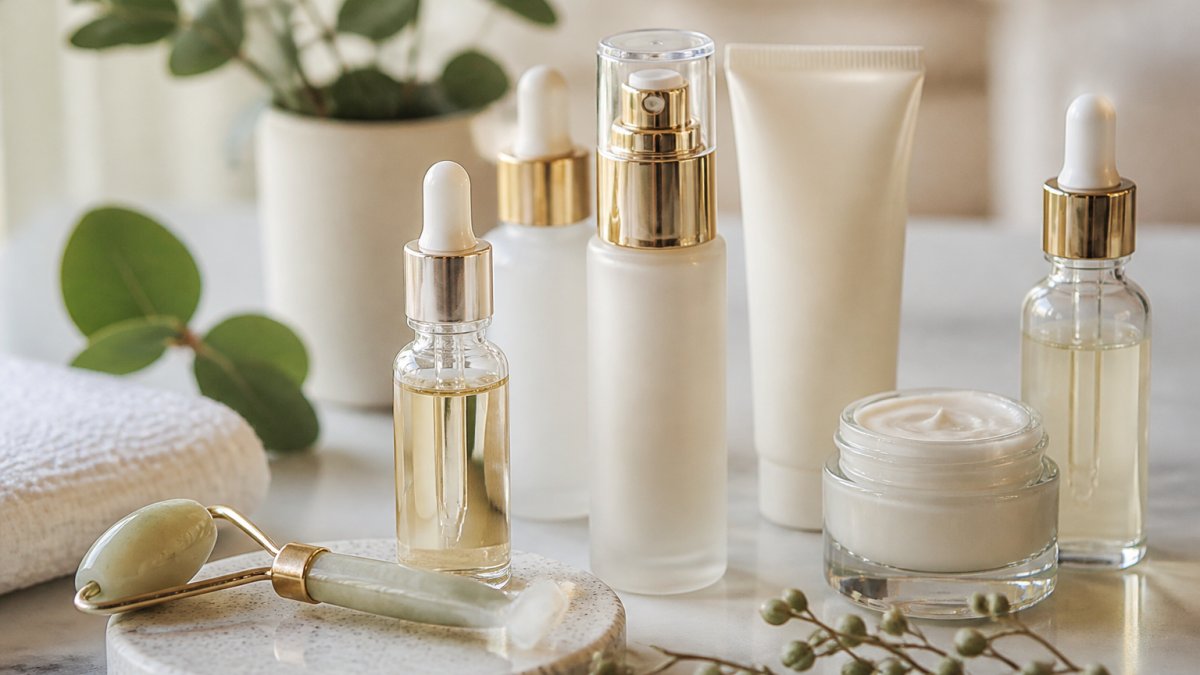
Not all anti-aging ingredients are created equal. Some deliver modest improvements; others fundamentally shift how your skin ages. The best skincare for 40s and 50s centers on a handful of proven powerhouses that address multiple aging mechanisms at once.
Retinoids and Retinol accelerate cell turnover, boost collagen, and fade hyperpigmentation. Start with 0.25-0.3% retinol and increase gradually to avoid irritation.
Vitamin C serums brighten dull skin and neutralize free radical damage. Use stabilized forms like L-ascorbic acid or tetrahexyldecyl ascorbate for effective penetration.
Peptides and collagen-boosting compounds signal collagen and elastin production. Layered with retinoids, they create synergistic effects that improve firmness and density.
Niacinamide strengthens the skin barrier, reduces inflammation, and minimizes pores, essential for sensitive skin in the best skincare for 40s and 50s routines.
Hyaluronic acid and ceramides address transepidermal water loss, holding moisture where mature skin needs it most.
Drugstore vs. Luxury Formulations: What You're Actually Paying For
Drugstore and luxury brands often claim identical active ingredients but differ dramatically in price. The difference lies in formulation architecture, how ingredients are stabilized, delivered, and combined.
Retinol Stability and Delivery: Retinol is notoriously unstable. It degrades when exposed to light, heat, and air. Luxury brands typically invest in advanced stabilization technologies (encapsulation, opaque packaging, nitrogen-flushed bottles, or proprietary delivery systems) that preserve retinol potency over time. A drugstore retinol that sits on a shelf under fluorescent lights for months may have degraded significantly by the time you use it. Luxury brands often use darker, airtight packaging and smaller bottle sizes to minimize oxidation. This doesn't mean drugstore retinol is ineffective, but you may need to replace it more frequently or use a higher concentration to achieve the same result.
Peptide Complexity: Not all peptides are equal. Drugstore formulations often use simple, short-chain peptides that signal collagen production but offer limited specificity. Luxury brands frequently use multi-peptide complexes or proprietary peptide blends designed to target multiple pathways simultaneously (collagen I, III, and IV synthesis; elastin production; matrix metalloproteinase inhibition). These complex formulations require more research and development, which is reflected in the price. A drugstore peptide serum may deliver 30-40% of the collagen-boosting effect of a luxury equivalent, but at 1/10 the cost, a reasonable trade-off for budget-conscious shoppers.
Vitamin C Formulation: L-ascorbic acid, the most bioavailable form of vitamin C, is notoriously unstable and requires a low pH (below 3.5) to penetrate the skin. Maintaining this pH while keeping the formula pleasant to use is technically challenging. Drugstore vitamin C serums often use stabilized alternatives like ascorbyl palmitate or sodium ascorbyl phosphate, which are more stable but less potent. Luxury brands invest in advanced stabilization (opaque packaging, inert gas, chelating agents) to keep L-ascorbic acid stable at therapeutic concentrations. The result: luxury vitamin C serums typically deliver 2-3 times more bioavailable vitamin C to your skin.
Supporting Ingredients and Synergy: Beyond the headline active, the supporting cast matters. A luxury serum might combine retinol with peptides, antioxidants, and skin-identical lipids in a carefully balanced formula designed for maximum absorption and minimal irritation. A drugstore retinol serum might contain retinol in a simple glycerin base with minimal supporting ingredients. Both contain retinol, but the luxury formula is engineered to enhance penetration, reduce irritation, and amplify results through ingredient synergy. This is where much of the price premium actually goes.
Practical Recommendation: For retinol, niacinamide, and hyaluronic acid, the difference between drugstore and luxury is modest enough that a well-formulated drugstore option delivers 70-80% of the results at 20-30% of the cost. For vitamin C and peptides, the gap widens; a luxury formulation may deliver meaningfully better results due to stabilization and complexity.
How to Build a Skincare Routine for Mature Skin
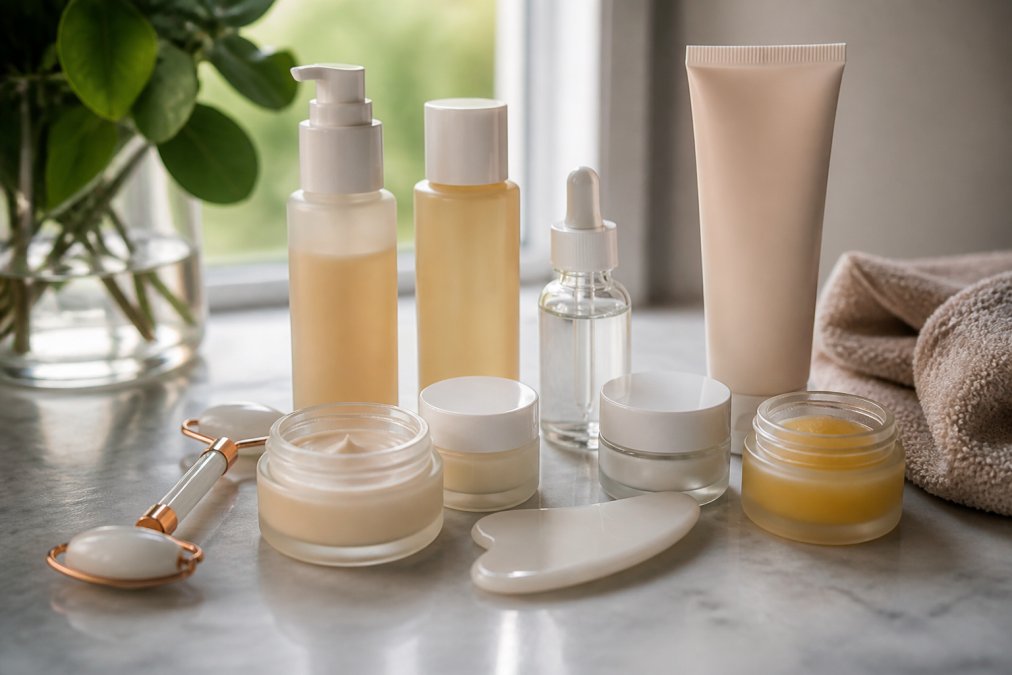
The best skincare 40s 50s isn't complicated, it's intentional. A four-step routine covers everything your mature skin needs without overwhelming your skin barrier or your schedule.
Step 1: Cleanse Without Stripping
Start with a gentle cleanser that removes makeup and daily grime without compromising your skin barrier. Mature skin is more reactive to harsh surfactants, so avoid foaming cleansers and sulfates.
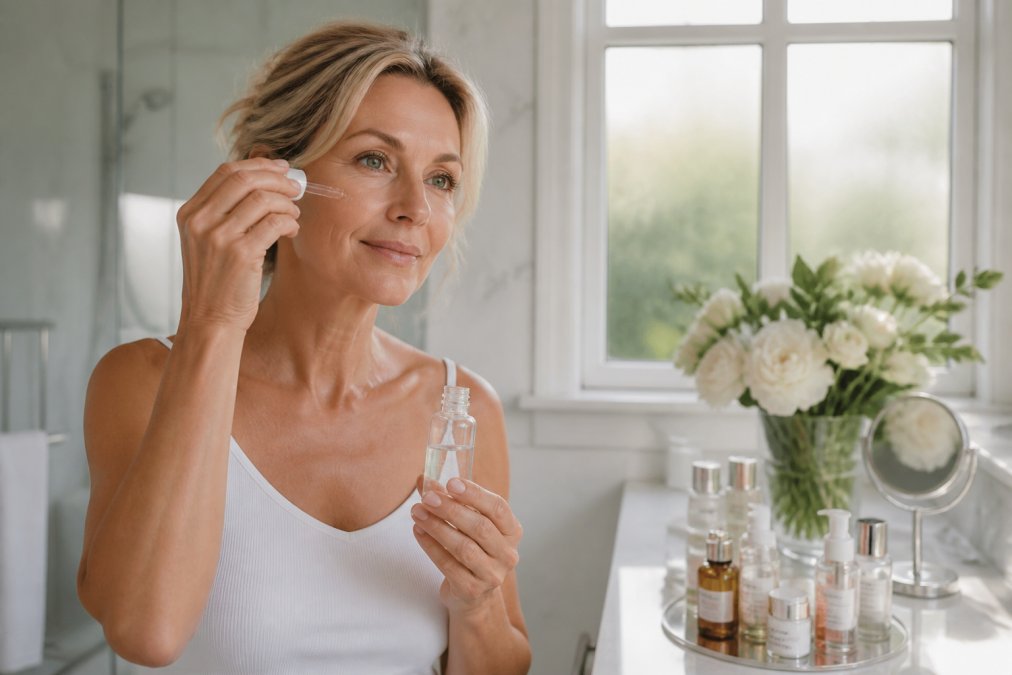
Step 2: Apply Targeted Serums
This is where the transformation happens. Apply serums in this order: lightest texture first, heaviest last.
Step 3: Lock in Hydration
Apply a hydrating moisturizer while your skin is still slightly damp from the serum. This seals in active ingredients and prevents transepidermal water loss. For mature skin, a richer cream works better than a lightweight lotion.
Step 4: Never Skip Sunscreen
Sun damage is the single biggest driver of visible aging. Photoaging causes hyperpigmentation, deepens wrinkles, and breaks down collagen faster than any internal process. Use a broad-spectrum SPF 30 or higher every single day, even on cloudy days.
Skincare-Infused Makeup Benefits for Mature Skin
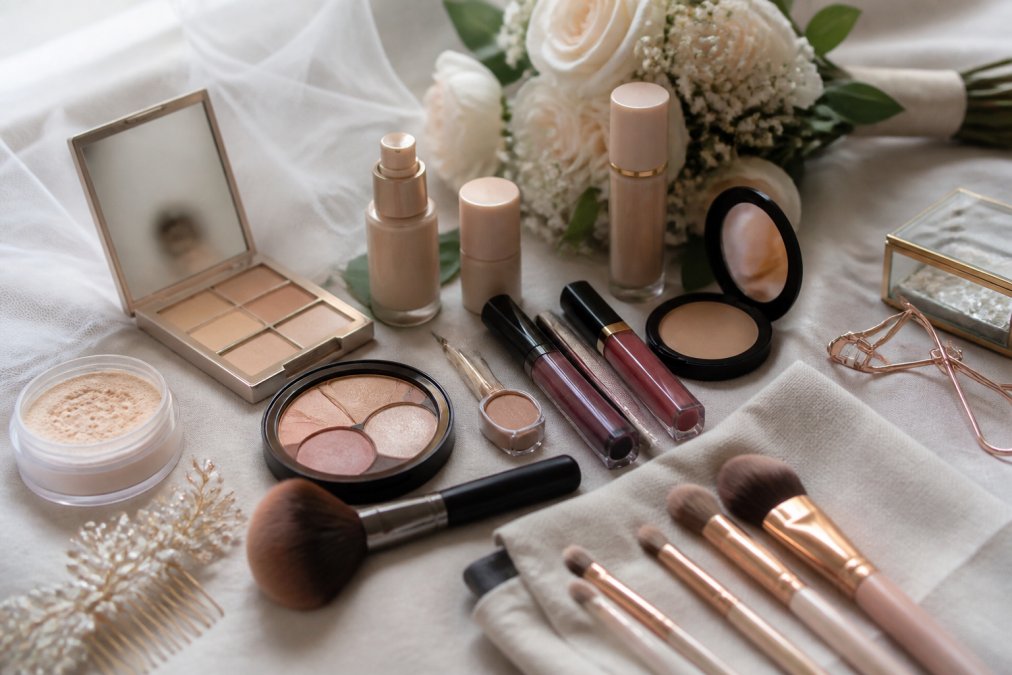
One of the most overlooked strategies for the best skincare for 40s and 50s is using makeup formulated with active skincare ingredients. This isn't marketing, it's a legitimate way to double the effectiveness of your routine.
Retinoids and Retinol: When and How to Start
If you haven't started retinol yet, your 40s and 50s are the time. Retinoids are non-negotiable for addressing fine lines, loss of elasticity, and uneven skin texture. The best skincare for 40s and 50s includes a retinoid, but timing and dosage matter.
Addressing Sensitivity and Reactive Skin
Mature skin is often sensitive skin. Declining estrogen, compromised barrier function, and years of sun exposure make your skin more prone to irritation, redness, and reactive flare-ups. The best skincare for 40s and 50s acknowledges this reality rather than ignoring it.
Frequently Asked Questions
What is the best skincare regimen for people in their 40s?
The best skincare for your 40s focuses on three essentials: a gentle cleanser, a vitamin C serum or retinol product to boost cell turnover, and broad-spectrum sunscreen daily. Add a hydrating moisturizer with hyaluronic acid or ceramides to combat dryness. According to dermatologists, simplicity beats complexity, medical-grade products matter more than the number of steps in your routine. Most experts recommend starting with these core products before adding extras.
How does skincare need change between your 40s and 50s?
In your 40s, focus on prevention and early intervention with retinoids and antioxidants. By your 50s, hormonal shifts accelerate collagen loss and skin barrier weakening, so prioritize hydration, ceramides, and peptides alongside retinoids. Sun damage becomes more visible, making broad-spectrum SPF non-negotiable. Your 50s routine may need richer textures and more potent active ingredients, but the foundation, cleanser, serum, moisturizer, sunscreen, stays the same.
Can skincare-infused makeup improve the appearance of mature skin?
Yes. Skincare-infused makeup products combine active ingredients like vitamin C, peptides, or niacinamide with coverage, so you're treating your skin while concealing fine lines and hyperpigmentation. This dual benefit means your makeup works harder than traditional formulas. However, skincare-infused makeup should complement, not replace, your core skincare routine. Use it as an enhancement to your cleanser, serums, and moisturizer for maximum results.
What are the essential active ingredients for skin in its 50s?
Retinoids are non-negotiable for stimulating cell turnover and collagen production. Vitamin C brightens and protects against sun damage. Hyaluronic acid and ceramides restore hydration and repair the skin barrier. Peptides support skin firmness and elasticity. Niacinamide reduces inflammation and strengthens skin resilience. Broad-spectrum SPF 30+ prevents photoaging. Start with one or two actives and layer gradually to avoid irritation, especially if you have sensitive skin.